POLLAW–IIUM POSSA Outbound Program: Academic Cooperation and Intercultural Learning Initiative
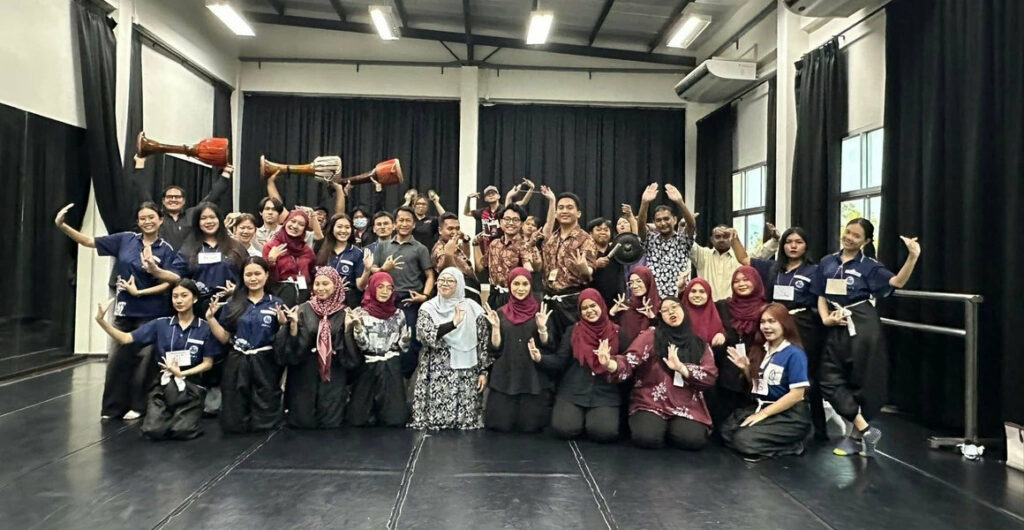
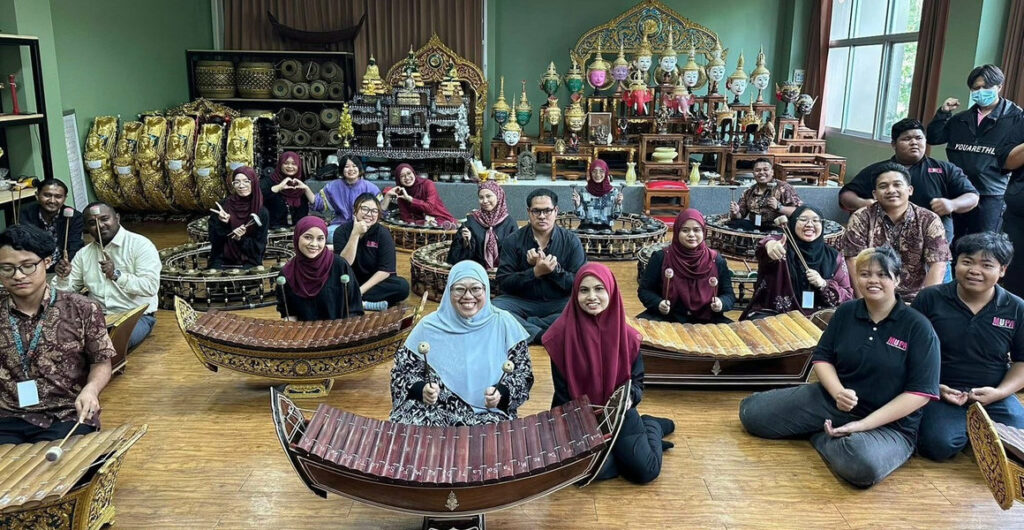
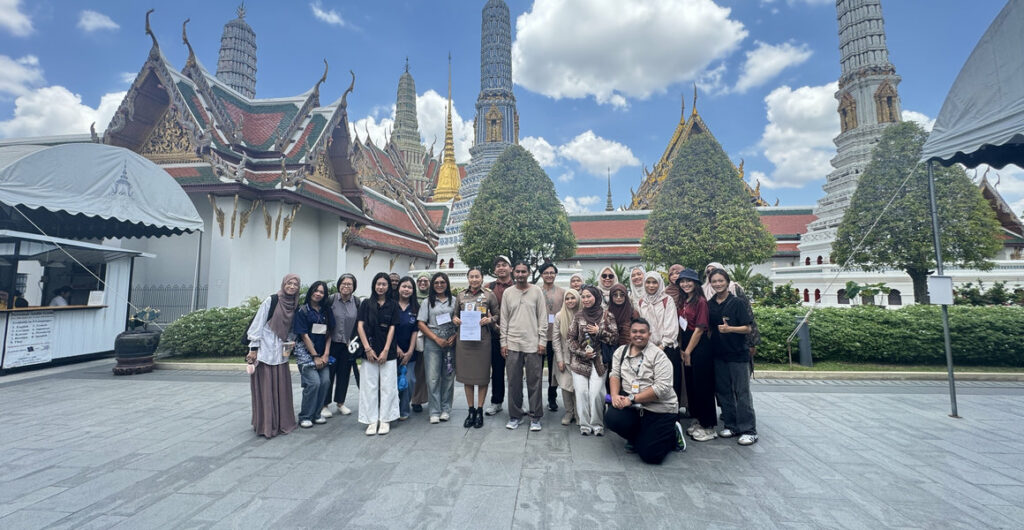
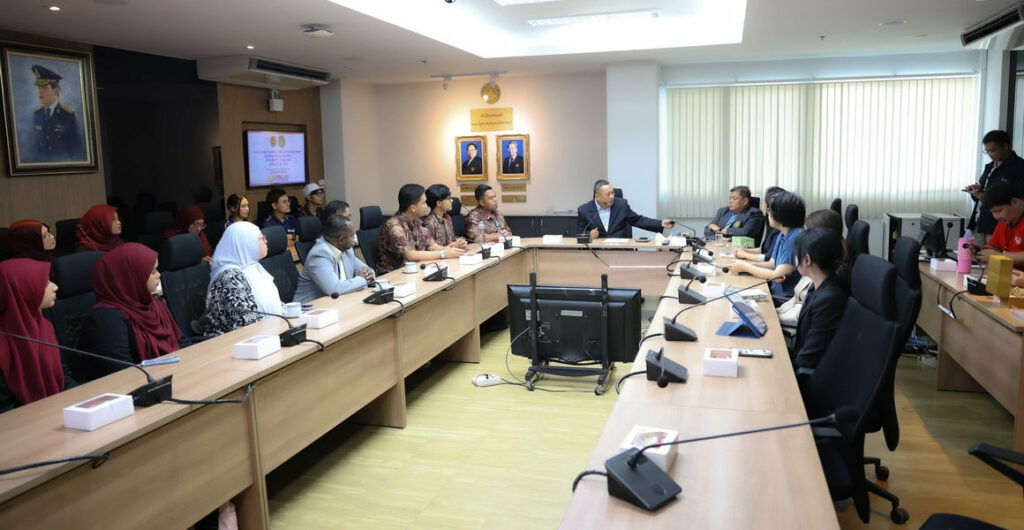
The Faculty of Political Science and Law (POLLAW), Burapha University, organised the Academic and Intercultural Learning Program in collaboration with POSSA Outbound from the International Islamic University Malaysia (IIUM). The initiative aims to expand international academic partnerships, promote cultural understanding, and foster collaborative learning between students and faculty of both institutions. Key activities included the public seminar titled “The Politics of Climate Change: Prospects and Challenges”, a cultural workshop “The Charm of Thailand – Exploring Culture Through Global Eyes”, and study visits to the Grand Palace and the Bangkok National Museum. This program plays a vital role in laying the foundation for deep intercultural learning and enhancing sustainable academic cooperation.
The objective of this project is,
1. To promote academic collaboration between the Faculty of Political Science and Law, Burapha University, and the International Islamic University Malaysia (IIUM)
2.To enhance intercultural learning and deepen understanding of social and cultural diversity among students and faculty
3.To build sustainable student-to-student and institution-level networks for future collaborative development
The program was initiated through coordination between POLLAW, Burapha University, and POSSA from IIUM, with a 3-day schedule in Chonburi and Bangkok. Key activities included a public seminar, academic discussions, research exchange sessions, and student engagement through cultural workshops and group-building activities. Participants also took part in cultural excursions to the Grand Palace and the Bangkok National Museum. The program was fully supported by faculty, staff, and students from POLLAW, who assisted in hosting and facilitating all activities throughout the visit.
The program made a meaningful contribution to sustainable development through academic exchange, cultural understanding, and capacity building. It empowered students and faculty to engage in constructive dialogue on global challenges while fostering mutual respect across cultural boundaries. By encouraging collaborative learning and international networking, the program supported inclusive, equitable, and quality education. Participants gained intercultural competencies and global awareness essential for addressing shared social, political, and environmental concerns. Overall, the initiative promoted the values of partnership, lifelong learning, and peaceful coexistence, aligning with the broader vision of the Sustainable Development Goals (SDGs).
Project Leader: Asst. Prof. Yared Akarapattananukul, Ph.D, Faculty of Political Science and Law