
Singha Volunteer Network
Human activities that release carbon dioxide into the atmosphere and destroy natural resources have caused instability in various aspects of the climate, leading to the phenomenon of global warming. These activities include wastewater release, destructive fishing practices, waste pollution, tourism impacts, and transportation, among others. To sequester carbon dioxide, planting trees is a traditional method used on land. Another effective method is to expand forest areas, seagrass beds, and coastal ecosystems to enhance efficient carbon absorption known as Blue Carbon. These marine ecosystems can be highly efficient carbon sinks, with the ability to sequester carbon dioxide up to 7-10 times more effectively than forests.
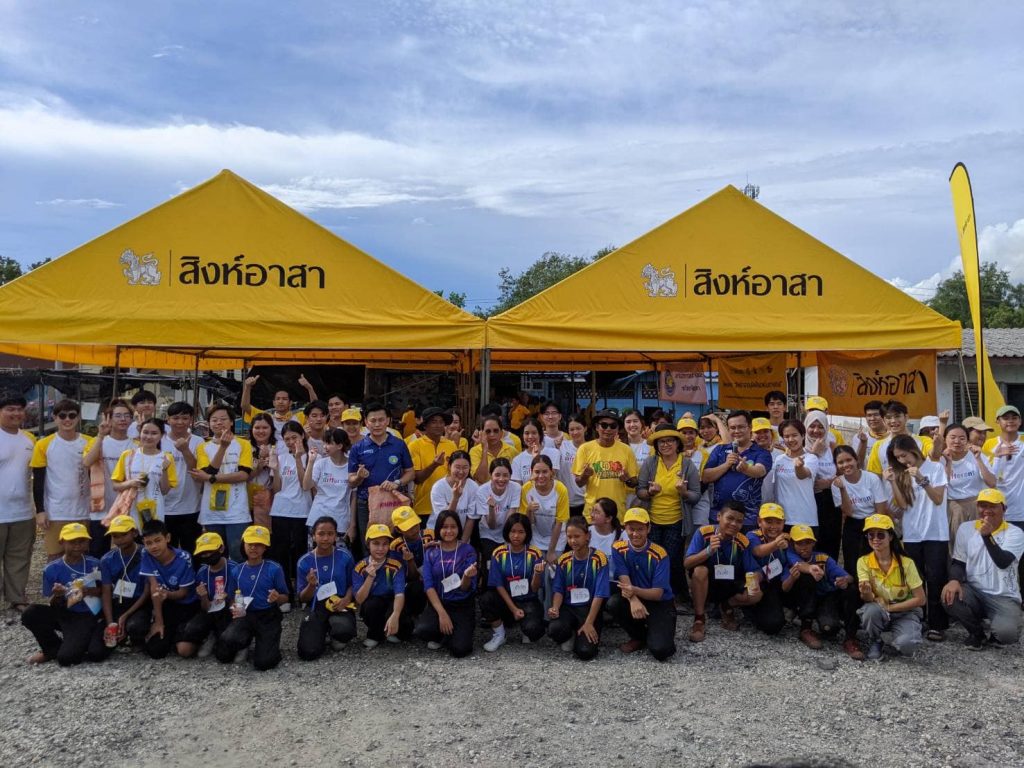
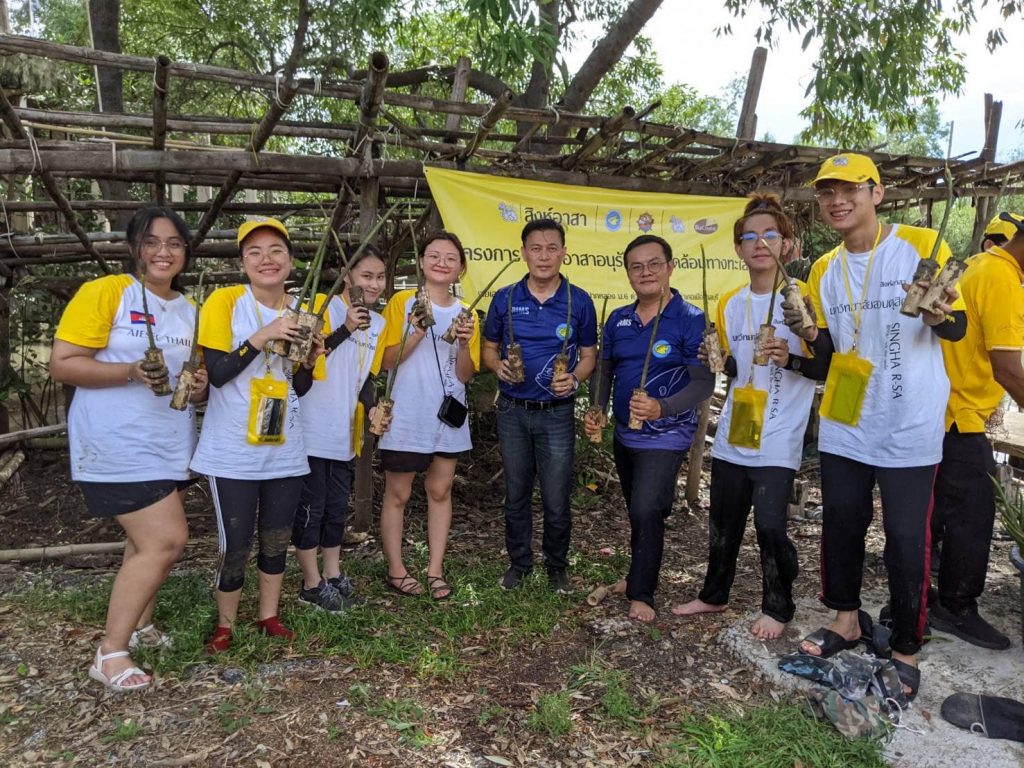
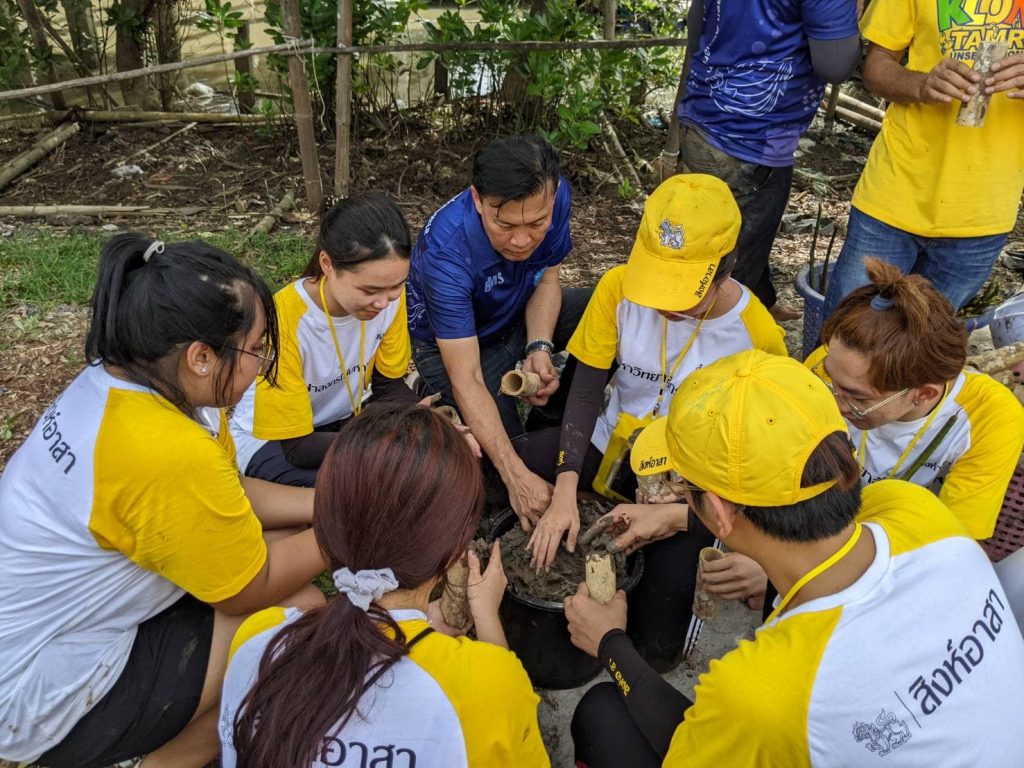
The Singha Volunteers, in cooperation with Boon Rawd Brewery Company Limited and the Faculty of Marine Technology at Burapha University, are working together to care for and restore marine ecosystems while ensuring sustainable quality of life for the community. The “Singha Volunteers for Marine Environmental Conservation” project in Chao Lao Beach, Chanthaburi Province, has found that over 20,000 seagrass plants planted in early 2022 have restored and increased seagrass areas in the region by approximately 20%. Seagrass serves as a bridge connecting coastal ecosystems with marine ecosystems, providing food and shelter for marine animals. Importantly, seagrass also has the ability to absorb and store carbon dioxide more effectively than land forests, up to 7-10 times more, according to the International Union for Conservation of Nature – IUCN.
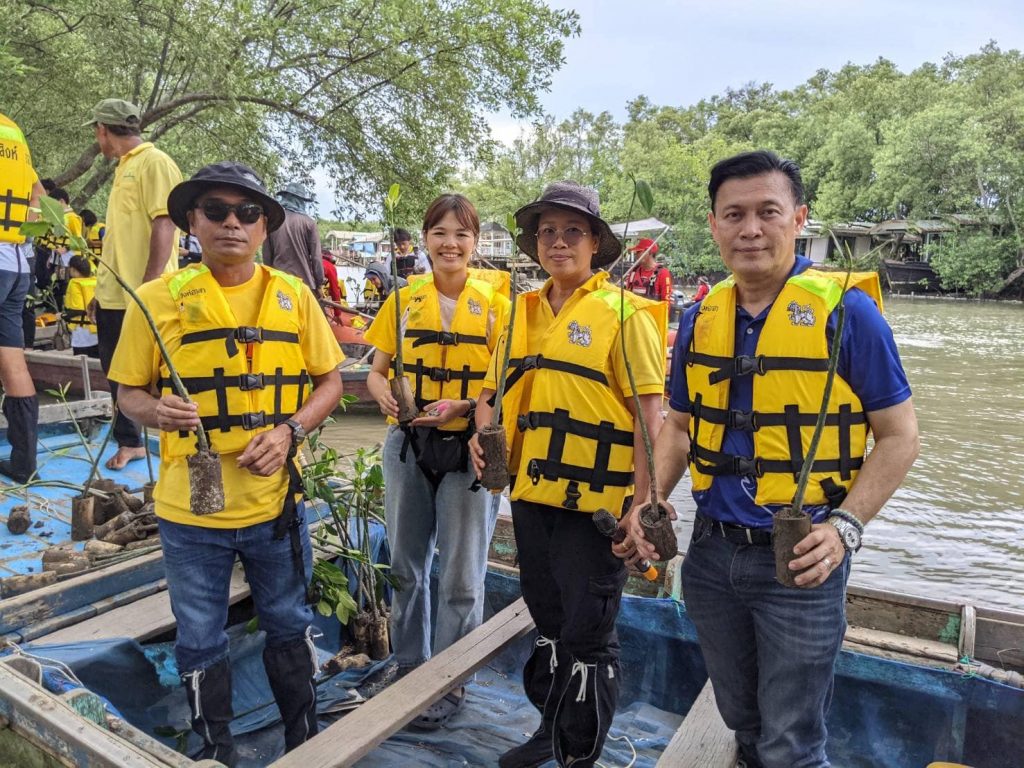
Dr. Sarawut Siriwong, Dean of the Faculty of Marine Technology at Burapha University, Chanthaburi Campus, said, “Seagrass has the potential to be a highly effective carbon sink in the ocean. Even though it covers only 0.1% of the world’s ocean area, it can store up to 10% of the total carbon in the oceans. Fortunately, Chanthaburi still has seagrass areas that can be restored. This marine environmental conservation project collaborates with the Faculty of Marine Technology at Burapha University and local volunteers. They are planting seagrass in the Chao Lao Beach area, increasing its seagrass coverage by approximately 20%. If we can expand their growth in the future, these seagrasses will further enhance their potential to capture more carbon dioxide.”
Ms. Duangthipyamon Chakchawan, the village headman of Hua Laem Chao Lao in Khlong Khud, Tha Mai District, Chanthaburi, who represents the community, said, “In recent years, marine life has been declining, and the residents have become more aware of environmental issues. Additionally, the Singha volunteers have initiated this project to support seagrass planting and provide valuable knowledge about the benefits of seagrass. This has helped the local community understand that seagrass serves as a marine nursery and food source and plays a significant role in reducing global warming by absorbing carbon dioxide. It is a way to instil a clear sense of responsibility among the residents here that it’s time for us to take care of our environment together earnestly.
Project Leader: Academic Service Division, Institute of Marine Science, Burapha University