Turning Fruit Shells to Non-Carbon Charcoal
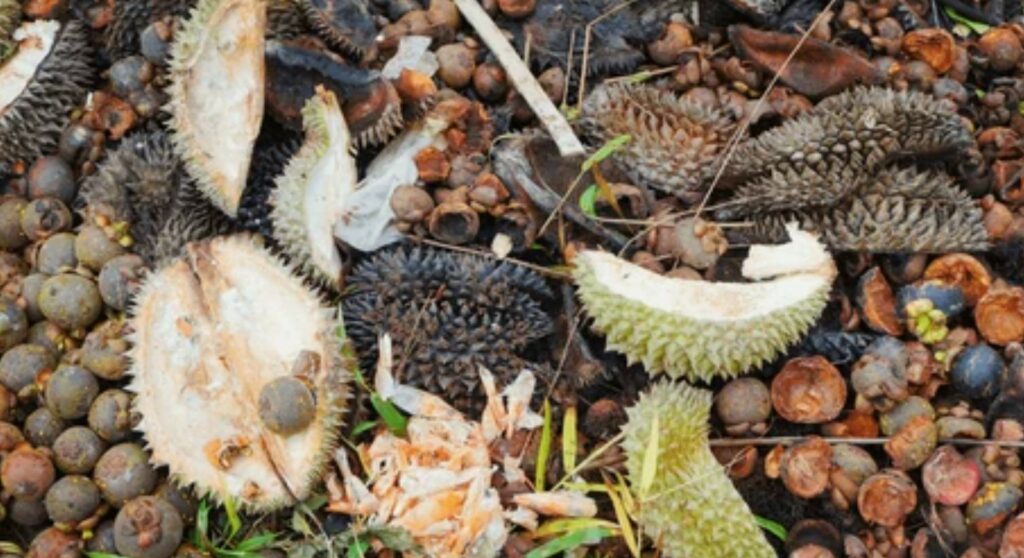
Food waste has been a significant environmental problem globally and locally, especially organic waste. This waste has been produced Methane at a significant level to harm the earth. The community around the world is eager to find effective management solutions to reduce global temperature according to SDG 13, concerned climate action. It has been found that the processing of vegetables and fruits alone produces a notable waste of 25–30% of the total product. In addition, shells, peels, pomace and seeds are considered to be among the most common waste. This project also participates in responsible consumption and production (SDG 12) to cycle waste to useful.
Referring to U2T for the BCG project, Burapha Business School (BBS) visited a community-based area and discussed with various groups of people in Nong Chok Subdistrict, Bang Pakong District, Chachoengsao Province. The problem of local waste is one of the issues that arises. BBS project members proposed the idea of turning waste to be processed for reuse, particularly, processing waste from seasonal fruit shells such as durians and mangosteens into non-carbon charcoal with a production process that produces less smoke combusion as well as when used. (Waste wood from construction works is also classified as waste that can be processed into charcoal).
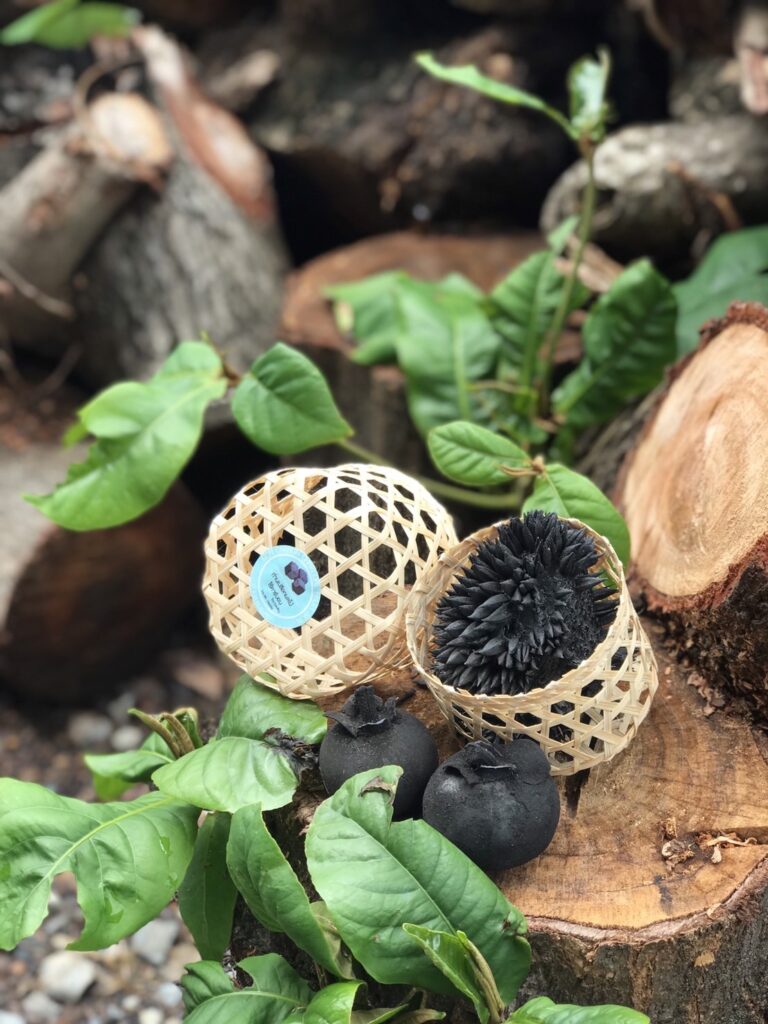
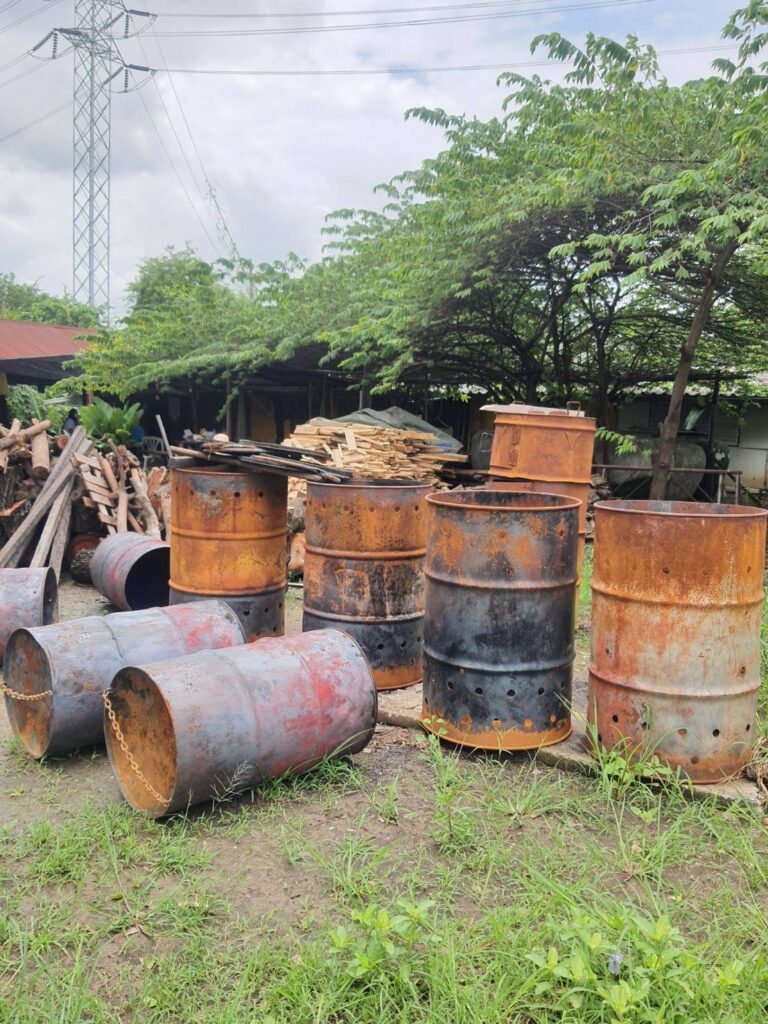
Uncle Phachern is a local philosopher who is knowledgeable about the production and processing non carbon charcoal. He has set up area of his home to be an outlet for producing charcoal for the local use and sell to local market, which he can reduce local organic waste and earn some income from waste, upon SDG 1 (no poverty) and SDG 8 (decent work and.economic growth). Produced charcoal can use in many purposes, for example, as firewood for cooking and as absorbent for unwanted odors. Not only experimenting with the production of charcoal from waste processing, the BBS team also helps develop packaging and distribution channels.
To sum up, this initiative focuses on environmental practices that bring value to the community by processing local waste for optimal benefit, which can add product value and generate income for the community. The practices are also consistent with the principles of the Circular Economy in terms of reducing energy consumption and being part of the sustainable development goals (SDGs)
Projects Leaders:
Dr. Tinikan Sungsuwan
Asst. Prof. Chavana Angkanurakbun
Asst. Prof. Natthakan Pruksorranan
Dr. Netdao Chaiyaket
(Burapha Business School)