
New Technologies for Greener Shipping
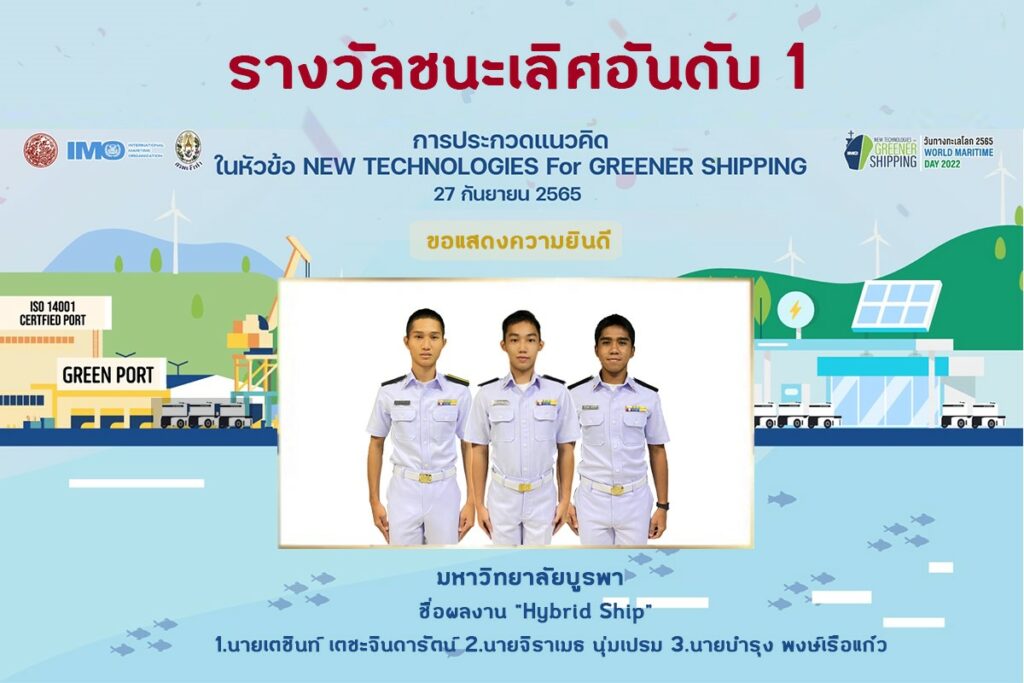
In contemporary times, maritime transportation plays a pivotal role, particularly in the context of international trade and the intricate networks of global supply chains. However, it is important to acknowledge that maritime transport significantly impacts the environment, contributing approximately 3% of the overall greenhouse gas emissions generated by the global industry. Recognizing this significant environmental challenge, various international maritime organizations, along with domestic bodies like the Thai Marine Department, have come to appreciate the necessity of addressing this issue. Consequently, the notion of a “green ship” has gained prominence within the shipping industry.
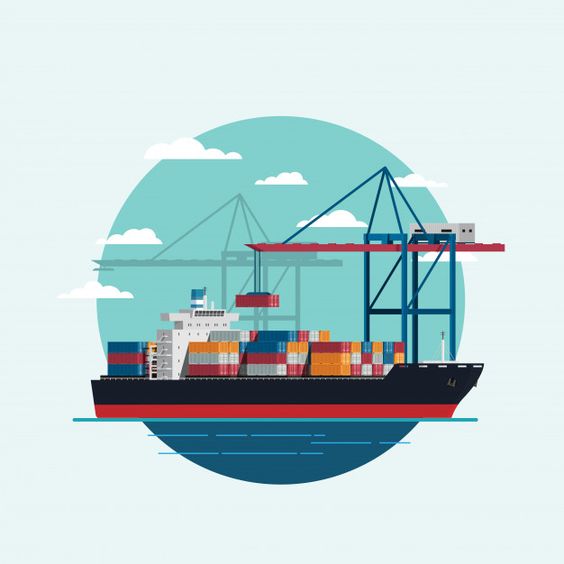
Our collaborative effort yielded the concept of a “hybrid ship,” a progressive approach aimed at fostering more sustainable shipping practices. This innovative vessel relies on a dual-energy system comprising solar energy and natural gas energy, particularly Liquified Natural Gas (LNG), which represents an environmentally friendly alternative. Our journey commenced with the integration of LNG as the primary energy source for the ship’s main engine and propulsion systems. LNG was chosen due to its capacity to facilitate complete combustion, resulting in a notably reduced environmental footprint compared to conventional fuels.
Complementing this primary source, we envisage employing solar cells as a supplementary power source to fuel various onboard electrical systems. These systems encompass crucial components such as navigation equipment and the steering system. The incorporation of solar panels on the deck, whether integrated or separate, will harness solar energy. This energy will be stored within substantial backup batteries to ensure voltage stability, facilitated by charge controllers. To regulate electric power effectively, the current acquired from the solar panels will first be stabilized into direct current (DC) before being transformed into alternating current (AC) through a current converter or inverter. This process makes the electricity generated compatible with electronic and navigation equipment onboard.
This visionary concept has the potential to be realized by global shipping giants, including MSC, CMA CGM, and MOL, who have already embarked on successful pilot projects utilizing LNG to curtail greenhouse gas emissions. The incorporation of solar energy is not uncharted territory either, as several vessels have adopted solar power for propulsion and onboard electrical systems. For instance, the Mine Smart Ferry operating on the Chao Phraya River, endorsed by the Marine Department of Thailand, have embraced solar energy. Additionally, NYK LINE has demonstrated leadership by installing solar panels to generate electricity for various facets of their ships.
The synergy between solar energy and natural gas is not merely a fanciful idea. It is an attainable and scalable concept that holds the potential to revolutionize the shipping industry, contributing significantly to the reduction of greenhouse gas emissions. This transformative approach aligns with Goal No. 13 of the Sustainable Development Goals (SDGs), which emphasizes climate action. As such, it has the potential to elevate the shipping industry into a genuinely “green” sector, fostering sustainability and environmental responsibility.
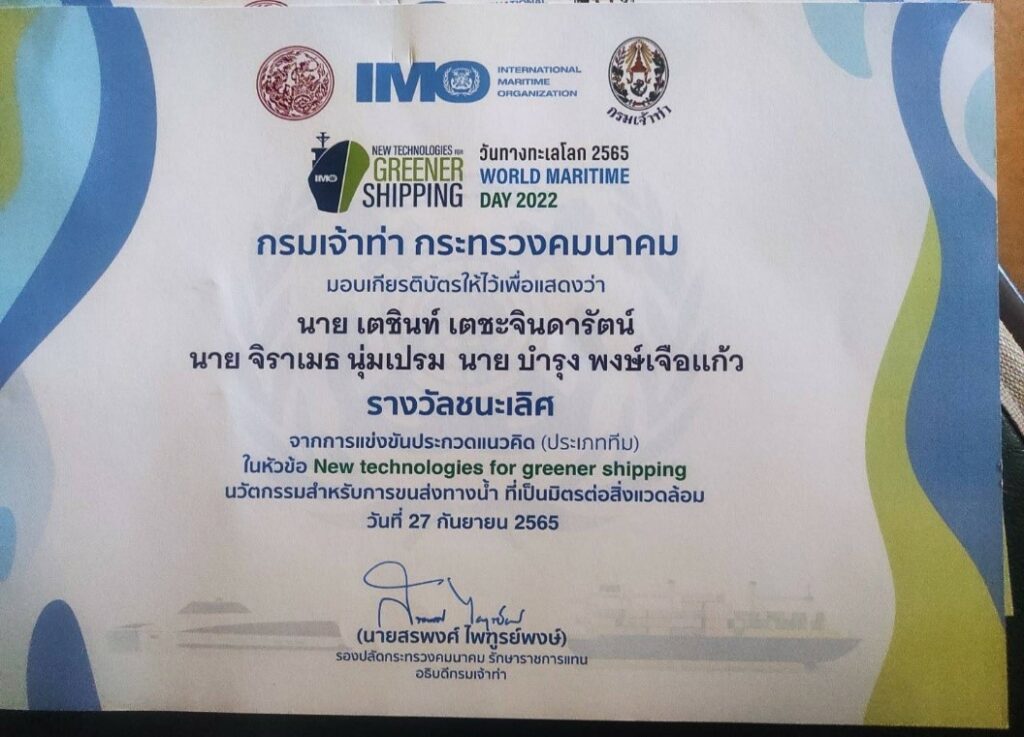
Project Leader: Assistant Professor Phasan Thamparj, Faculty of Logistics