
Training Program for Executives and Staff of Local Government Organizations:
Livable and Sustainable City Management course, focusing on city management
and elevating sustainable urban development for a desirable future
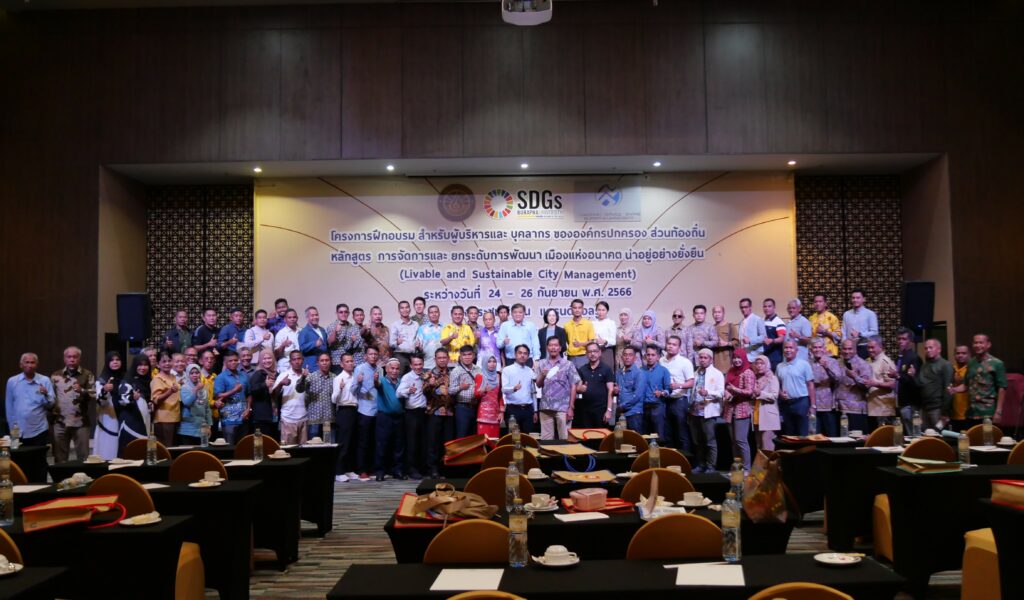
The policies and critical objectives, including the Sustainable Development Goals (SDGs), the 20-year National Strategy, the 13th National Economic and Social Development Plan, government policies, the Ministry of Interior’s strategic direction, and strategies for local administration development for the years 2023-2027,
emphasis has been placed on human development and capacity building, elevating urban development, ensuring inclusivity and sustainability. Special attention is given to air quality, municipal waste management, and other waste management. The goal is to promote sustainable growth in a friendly environment and prosperous and modern cities and communities with low carbon footprints.
To achieve these objectives, it is evident that there is a need for innovative economic and social development policies in Thailand. The government system is considered a crucial factor that requires adaptation or reform in operational practices. This is because it plays a vital role in driving the state’s policies with important components as follows:
1. Open and Connected Government: State agencies or public sectors should be transparent, accessible, and interconnected. Information should be easily accessible.
2. Citizen and Service-Oriented Government: Local government organizations should work proactively, focusing on problem-solving for citizens, utilizing state information and modern digital systems to manage public services that align with the needs of the people.
3. Smart and High-Performance Government: The government should be intelligent, highly competent, and contemporary. It should work proactively, creating innovations as a high-capacity organization. It should adapt to become a modern office with officials who possess innovative thinking and carry out their duties responsibly.
Critical success factors for government system development include coordination between the public and private sectors in society, fostering innovation, generating new ideas, and involving the public. Adapting to digitalization and utilizing tools to facilitate government service delivery that responds to people’s needs everywhere, at all times, on any device, through secure and efficient channels, is essential.
The local government organization is a government unit distributed throughout all regions of Thailand. It plays a crucial role in providing services and taking care of the well-being of the people. As the government entity closest to the citizens, it holds significant importance in driving grassroots development policies to achieve national success according to the government’s goals for efficiency improvement of the organization and providing excellent services to the public.
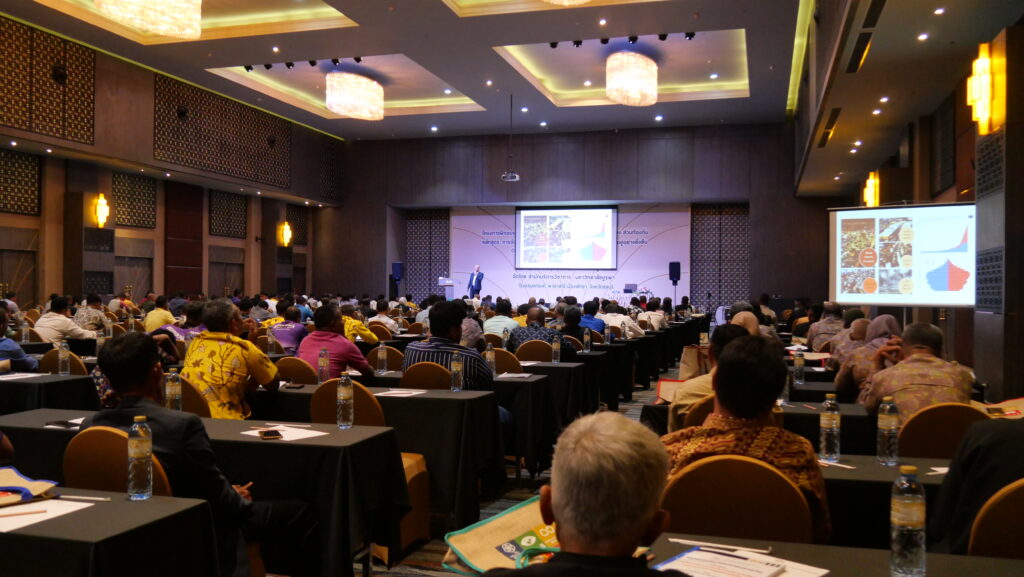
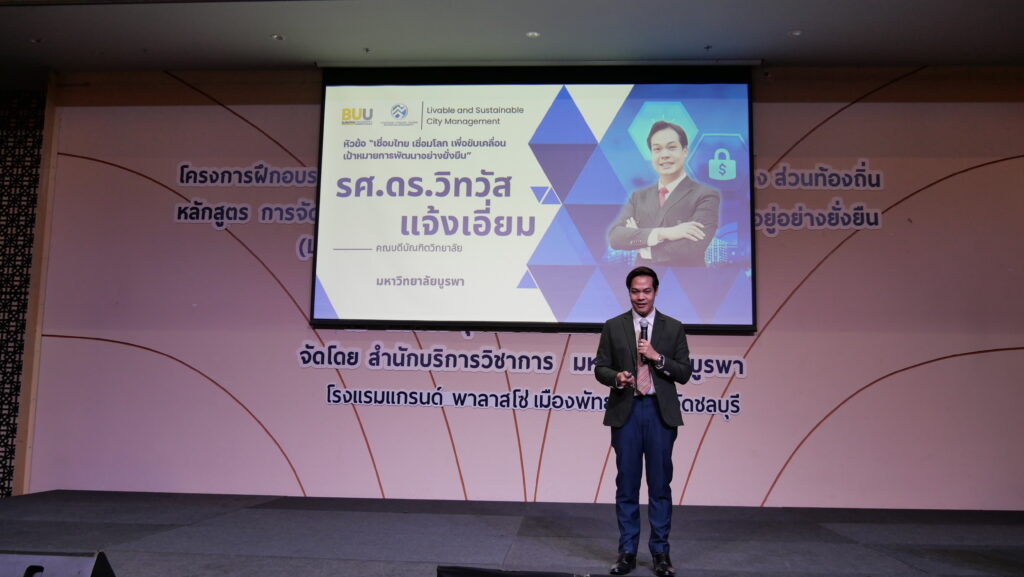
To fulfil its role effectively, the traditional operational system needs to be transformed into a transparent, modern, accountable, and citizen-oriented local government. The focus should be on creating maximum benefits for the citizens.
The Academic Service Centre at Burapha University recognizes the importance of lifelong learning and raising the competencies of individuals to contribute to the country’s development. It aims to support the implementation of the aforementioned policies and goals. Therefore, Burapha University has established training programs for the managers and staff of local government organizations, with a curriculum on city management and sustainable urban development. The program, titled “Livable and Sustainable City Management,” is designed to raise awareness of balanced and sustainable urban development and prepare organizations for upcoming changes.
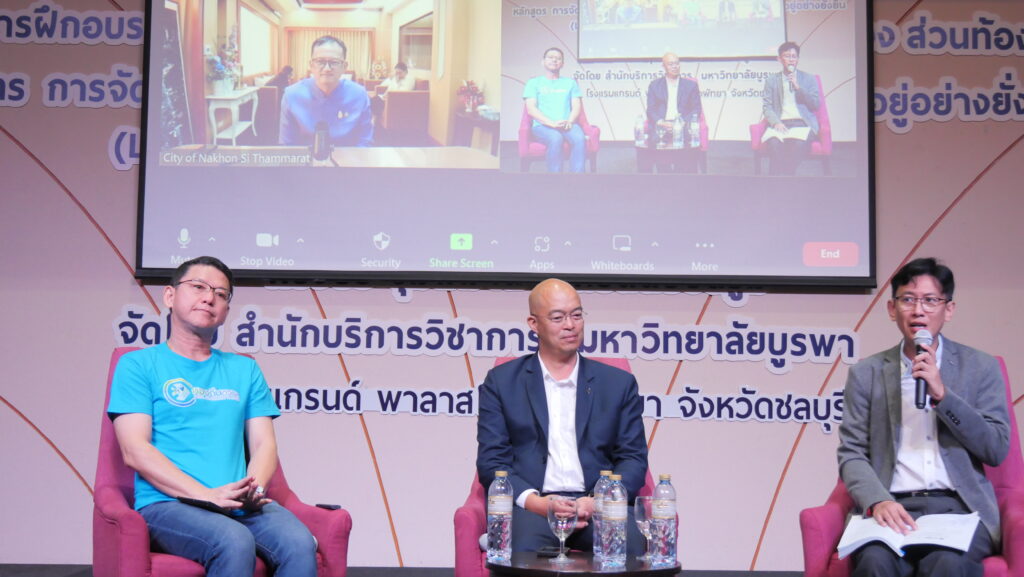
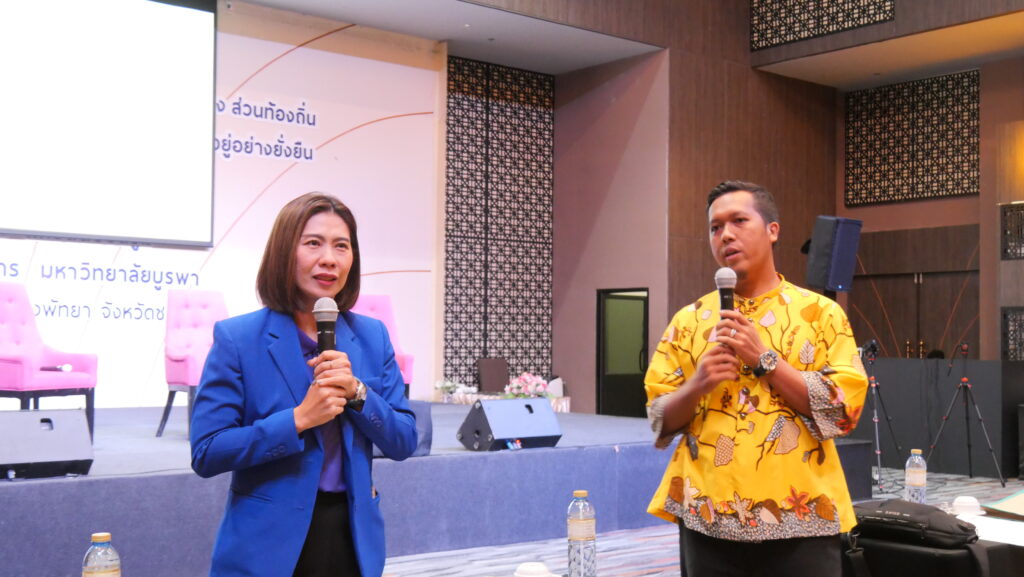
Outcomes and Impacts of the Project
Outcomes:
1. Local government organizations are able to drive development goals sustainably.
2. The development of Smart Cities in Thailand has significantly increased.
Impacts on Communities and Society:
The target groups have gained knowledge and understanding of sustainable urban development and visionary local governance. Transparency and oversight in local administration have been enhanced, contributing to a desirable and sustainable future living environment.
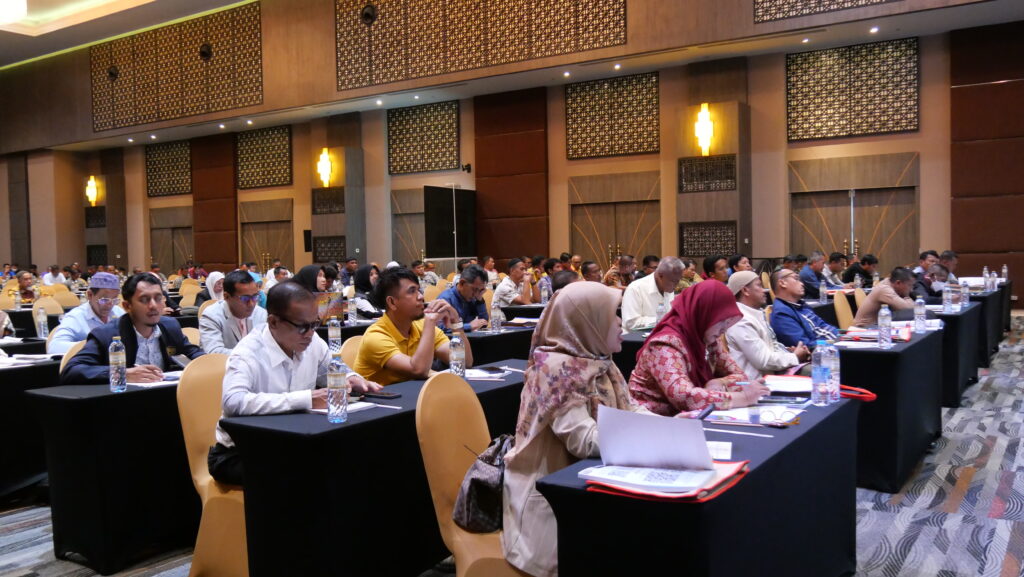
Project Leader: Mrs. Buttri Dumrisathonlamark,
Academic Service Centre, Burapha University