A Study Tour on Sustainable Practices and Technological Innovations
in Resource Development within Industrial Estates
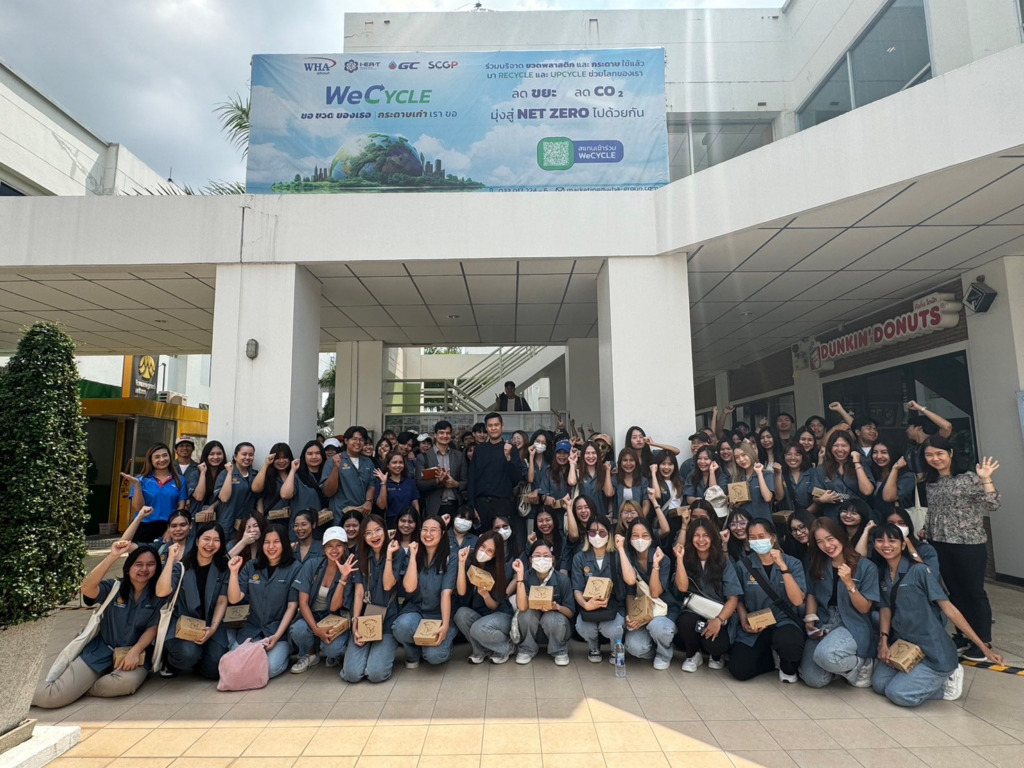
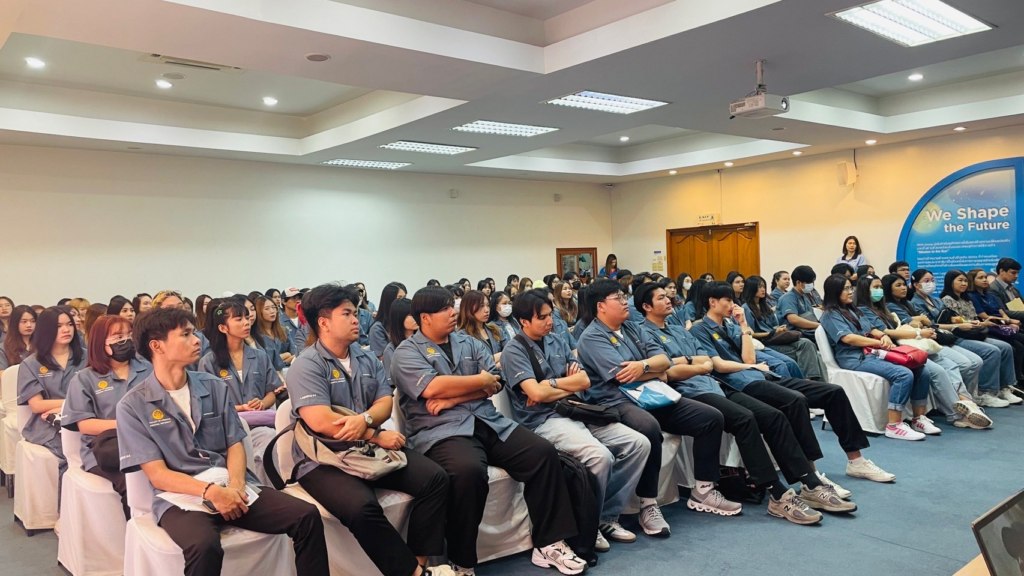
On February 28, 2024, the Faculty of Logistics, in collaboration with WHA Industrial Development, PCL. (WHA), facilitated a study tour for 104 students from the Faculty of Logistics at Burapha University. The tour took place at the Eastern Seaboard Industrial Estate in Pluak Daeng District, Rayong Province. This estate, linked with WHA Eastern Seaboard 1, is an integrated industrial zone under the umbrella of WHA Industrial Estate, designed to accommodate industrial facilities, utilities, and public services in a cohesive manner. Regarding Sustainable Development Goals (SDGs) and Smart Utility, water management is a vital component of the estate’s infrastructure. Wastewater generated within the industrial area undergoes rigorous treatment before discharge, aligning with Ministry of Natural Resources and Environment regulations governing industrial wastewater drainage. Alternatively, water is recycled for machine cooling to minimize wastage. This process involves sourcing water, filtration, reverse osmosis, and deionization, resulting in demineralized water free from impurities. Efficient water distribution within the estate is essential to meet customer demands while adhering to water quality standards, in line with the principles of the circular economy. This approach not only ensures a sustainable water supply for several months but also mitigates the risk of water shortages, providing support to local communities during drought crises. Furthermore, expanding the reclamation system’s production capacity enhances confidence in water security and promotes sustainable water management, reducing negative impacts on public water sources and minimizing environmental contamination risks.
In addition to water management, WHA leverages technology in its operations. Computer systems such as Smart Warehouse and Quantum Computing optimize tasks, while Electric Vehicles (EVs) support green transportation initiatives. Recognizing the environmental challenges posed by combustion-fueled vehicles, WHA is committed to developing EVs equipped with battery energy storage. However, the company faces the challenge of managing battery waste, which is expected to increase over the next decade. Efforts are underway to explore methods for repurposing batteries as raw materials. Furthermore, WHA is exploring alternative energy sources such as solar roofs to reduce reliance on conventional energy sources and minimize emissions, contributing to a healthier environment for surrounding communities.
Project Leader: Asst. Prof. Dr. Matthaya Yuvamit, Faculty of Logistics