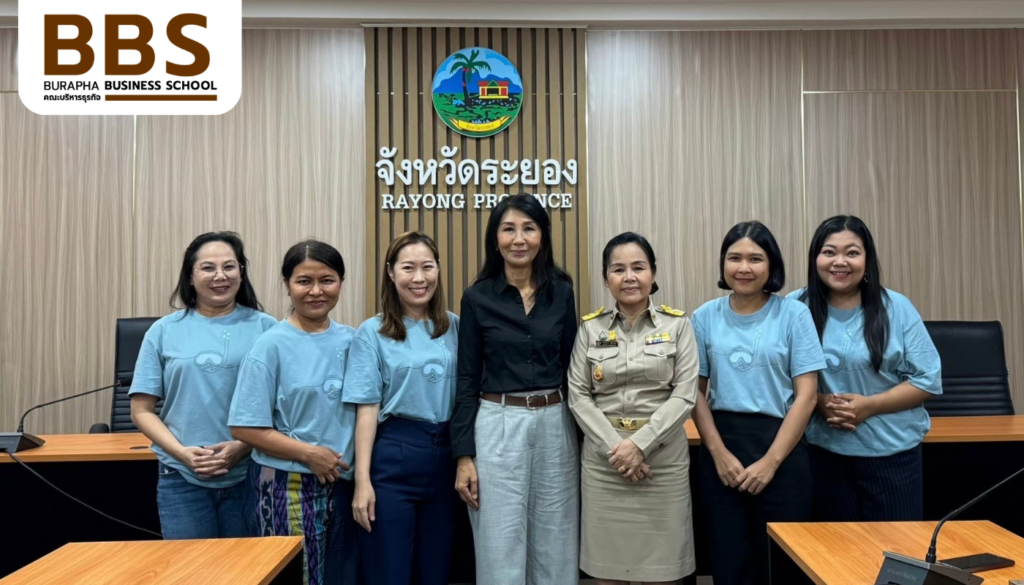
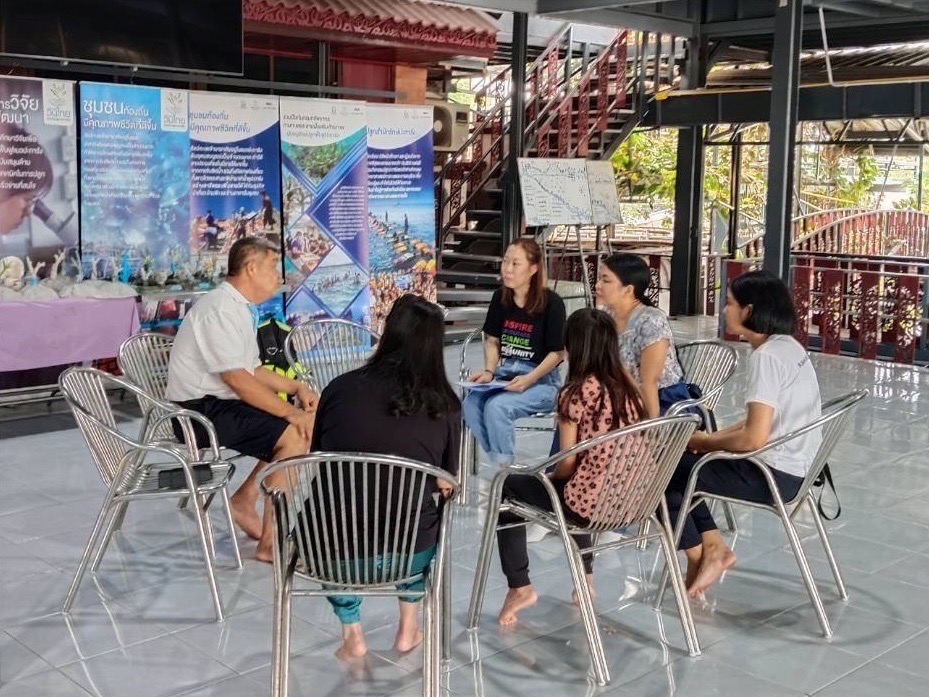
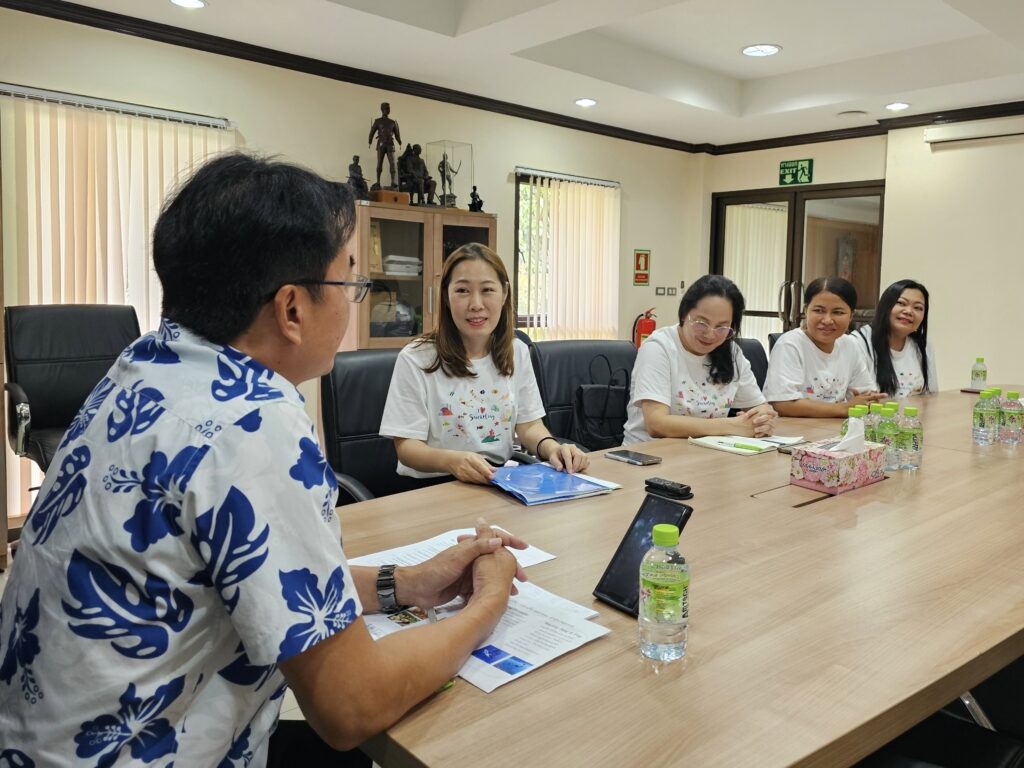
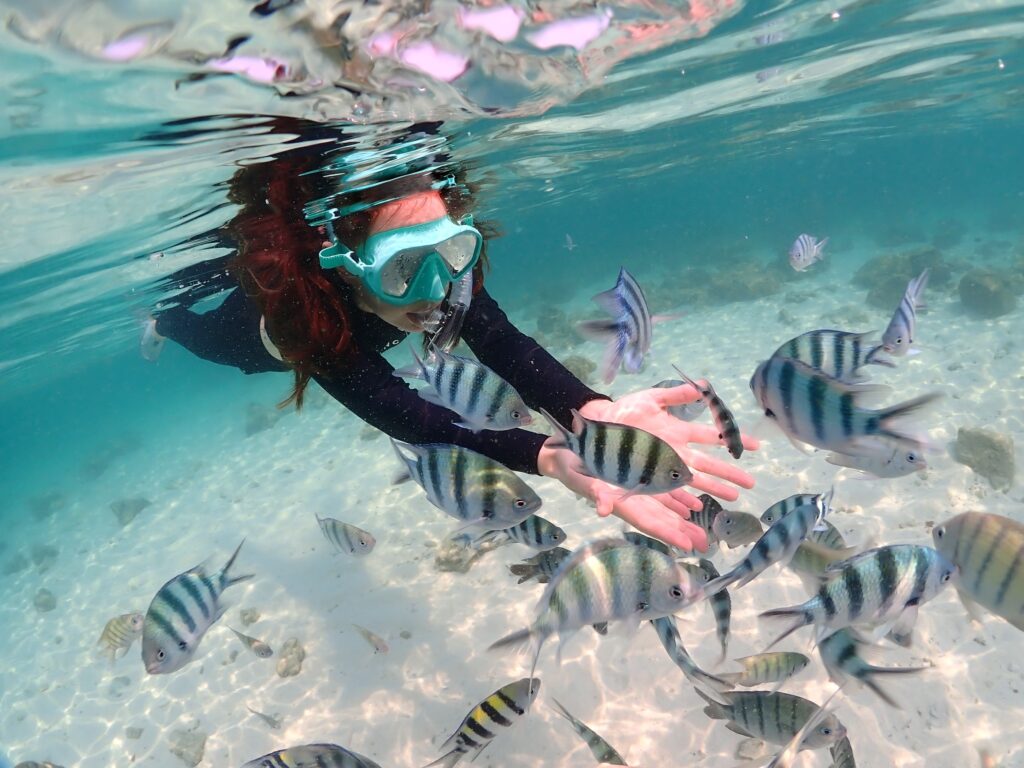
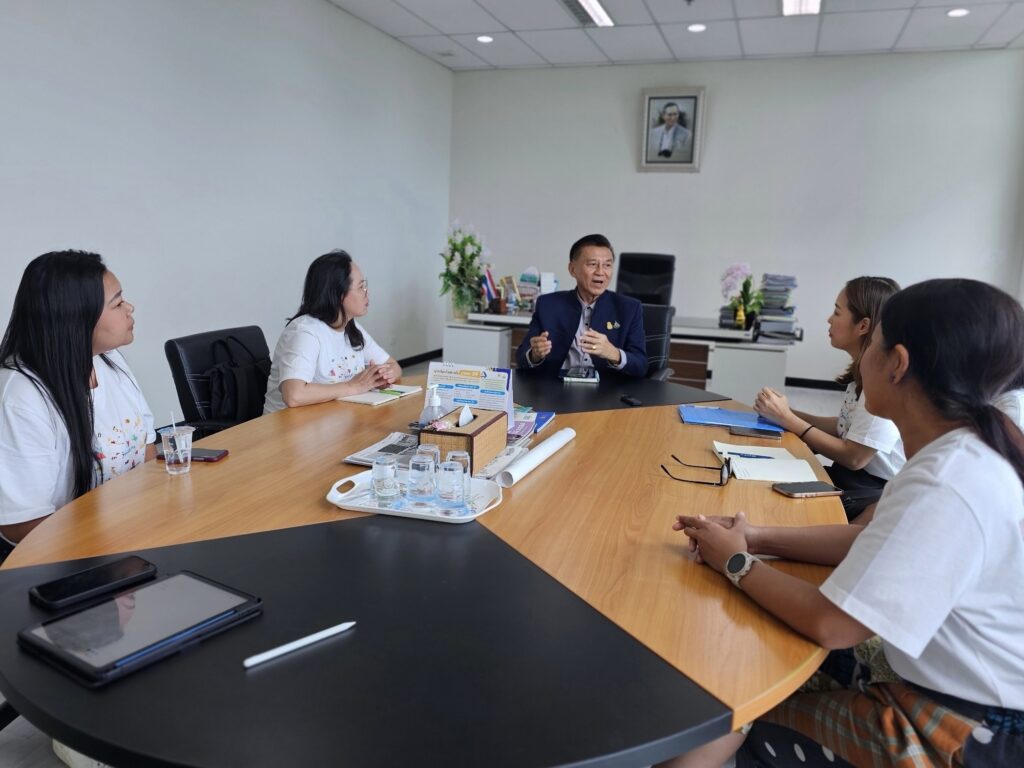
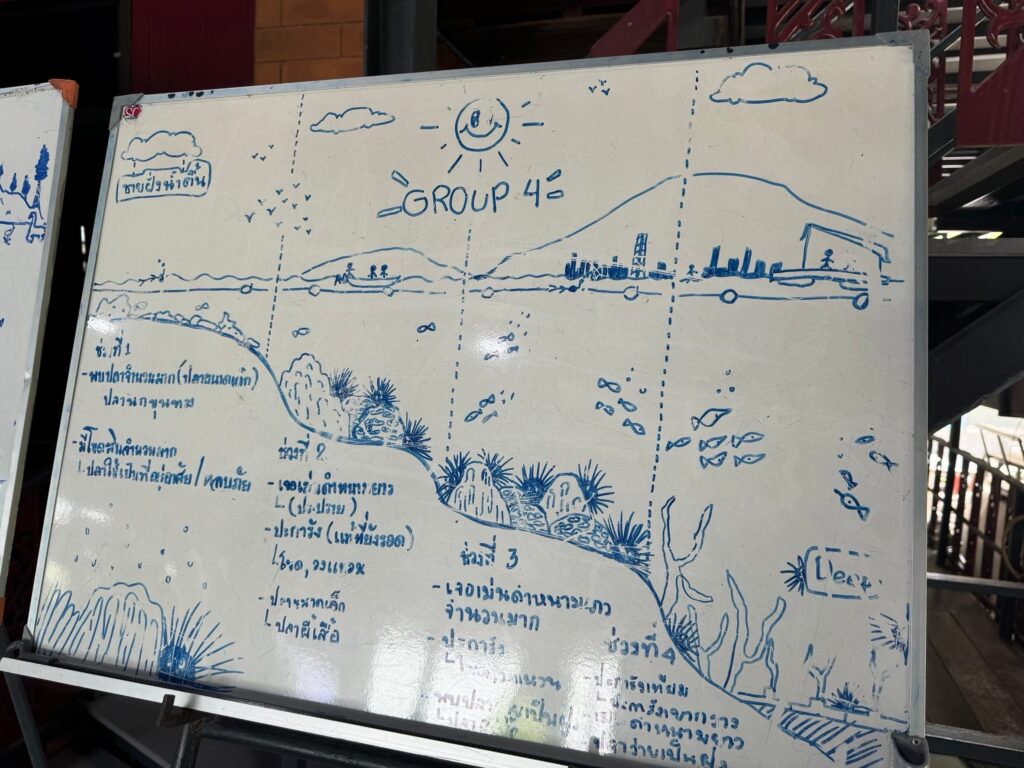
Snorkeling tourism in Eastern Thailand, particularly around islands like Koh Chang, Koh Kood, Koh Samet, and Koh Samaesan, offers visitors the opportunity to explore some of the region’s most vibrant marine ecosystems. These areas are home to diverse coral reefs, colorful fish, and other marine life that attract tourists from around the world. To align snorkeling tourism with the Sustainable Development Goals (SDGs), Burapha Business School (BBS) is currently conducting a survey on the behavior of snorkeling tourists and studying the opinions of stakeholders in the supply chain. The aim is to promote responsible snorkeling practices and develop digital media for snorkeling tourism in the Eastern Economic Corridor (EEC) area.
Snorkeling tourism can have both positive and negative impacts on Climate Action (SDG 13). On the one hand, responsible tourism practices, such as using eco-friendly transportation and reducing carbon footprints, contribute to mitigating climate change. On the other hand, if not managed sustainably, the influx of tourists can lead to increased greenhouse gas emissions from travel and greater demand for resources, exacerbating climate change. Additionally, climate change poses a threat to snorkeling sites themselves, as rising sea temperatures and ocean acidification can damage coral reefs and marine ecosystems, reducing the appeal and viability of these sites for tourism.
The impact of snorkeling tourism on marine ecosystems is closely linked to Life Below Water (SDG 14), which aims to conserve and sustainably use the oceans, seas, and marine resources. Snorkeling can raise awareness of marine conservation issues among tourists, encouraging support for conservation initiatives. However, unsustainable practices, such as touching or standing on corals, improper waste disposal, and overfishing driven by tourism demand, can severely damage coral reefs and marine life.
In summary, snorkeling tourism in Eastern Thailand has the potential to support both climate action and marine conservation if managed responsibly. By promoting sustainable practices, educating tourists, and enforcing protective regulations, the region can enhance its natural assets while contributing to global environmental goals.
Project Leaders: Asst. Prof. Dr. Chavana Angkanurakbun, Asst. Prof. Dr. Natthakan Pruksorranan, Tinikan Sungsuwan, Netdao Chaiyaket, Kamolwan Rodhring, and Assoc. Prof. Dr. Punnee Pimapunsri, Burapha Business School