
How to Make Compost from Food Waste to Reduce Waste in the Faculty of Informatics
How to Make Compost from Food Waste to Reduce Waste in the Faculty of Informatics, Burapha University
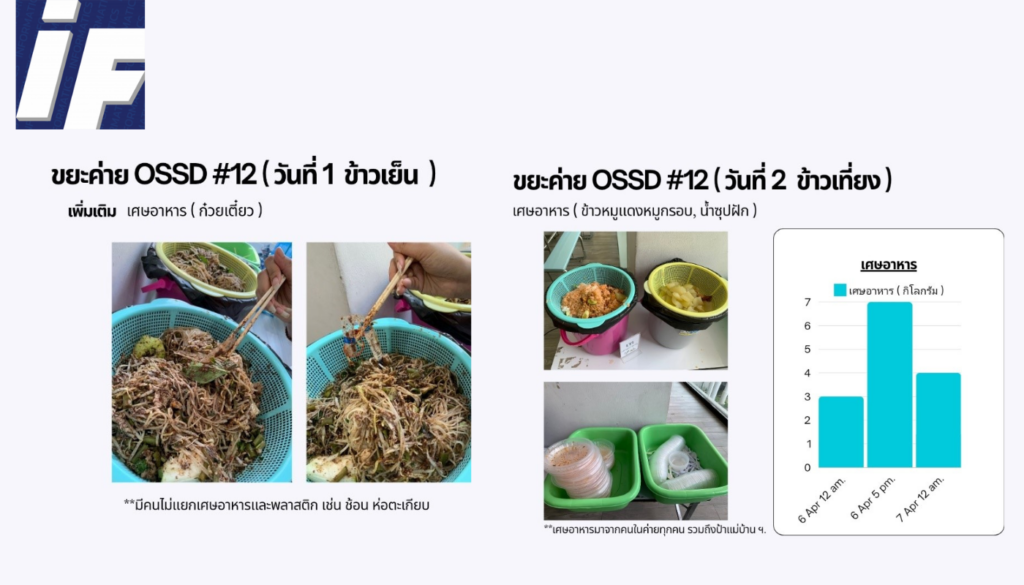
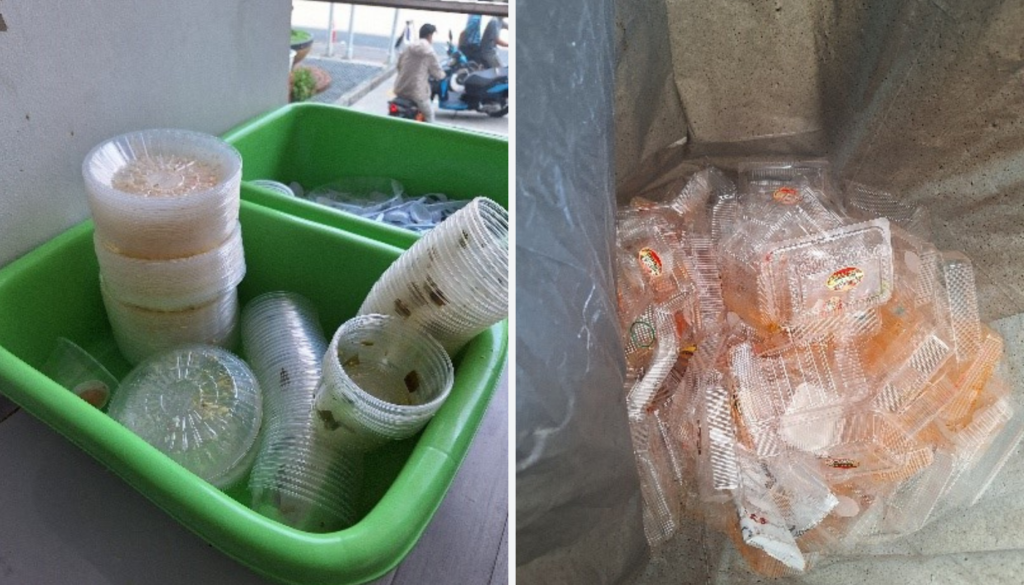
The Faculty of Informatics, Burapha University, with approximately 1,600 staff members, generates some waste on regular teaching days. However, during special activities like the 7-day Open Source Software Development camp for Computer Science students, the Computer Science camp, or the Open House event, a significant amount of food waste is produced. Although this waste can decompose naturally and is not harmful to the environment, the process can take time and cause unpleasant odors, attract animals and insects, and bring about various disease vectors. To address this, the faculty has initiated a composting program for food waste generated during these special activities.
Types of Waste Suitable for Composting
The organic waste suitable for composting should be easily decomposable. Daily food waste should not have hard cores, rough textures, or thick shells to facilitate easier decomposition by microorganisms and bacteria.
Examples of Waste That Can Be Composted:
– Fish, meat
– Bones, shells of animals
– Vegetables, fruits, fruit seeds
– Fresh food scraps, eggshells
– Coffee grounds and animal waste
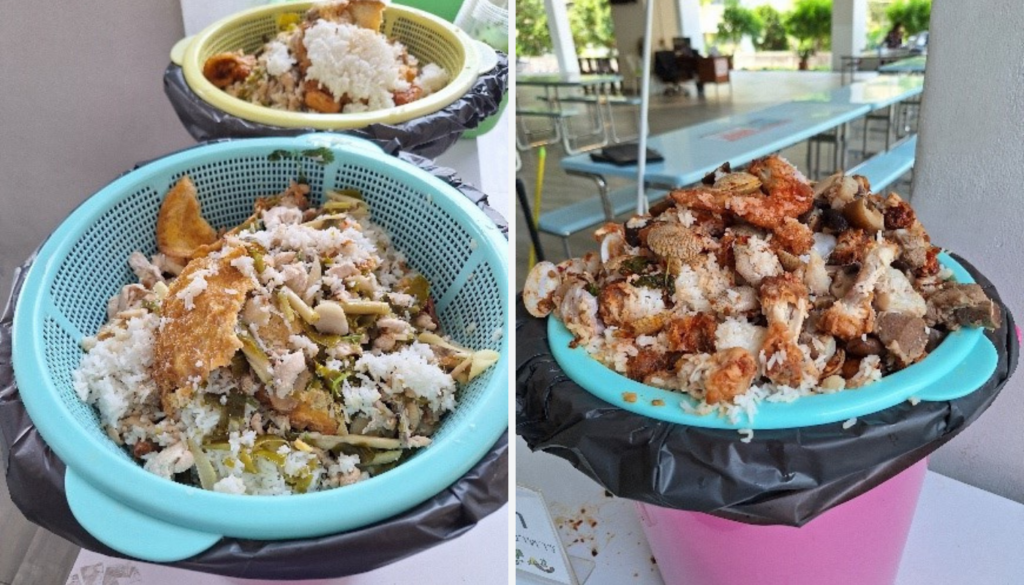
Turning Food Scraps into Useful Compost
Compost is a beneficial fertilizer that is easy to make. The primary principle of composting is using microorganisms and bacteria naturally present in the soil to decompose organic waste or food scraps in a composting bin or container.
Method 1: Food Waste Digester
A food waste digester decomposes leftover food scraps into fertilizer. The bin has drainage holes or holes in the bottom to be buried in the soil. The composting process involves fermentation by microorganisms using oxygen, which produces minimal odor compared to other fermentation types. The bin is designed to allow air circulation, ensuring efficient decomposition of food scraps. The bin has a lid to prevent unpleasant odors from escaping and to deter rats, flies, and other animals from rummaging through the waste.
Method 2: Pit Trash
This method is another popular and relatively inexpensive way to manage food or organic waste. It involves composting food waste in a manner similar to a food waste bin.
Steps to Create a Wet Trash Pit:
Choose a container for a wet trash pit, such as plastic buckets or baskets available in the market.
Place a small plastic bucket upside down into a basket, with a depth of about 5-10 centimeters from the basket’s mouth. Ensure there are about 2 spaces left in the basket from the mouth of the upside-down bucket. Cut off the bottom of the small plastic bucket.
Place a large plastic bucket upside down over the basket’s mouth to fit securely. Tie them together with a rope. Cut off the bottom of the large bucket and use the cut-off part as a lid.
By following these methods, the Faculty of Information Science can effectively reduce food waste and create valuable compost, contributing to a cleaner and more sustainable environment.
Project Leader: Dr.Athita On-uean, Faculty of Informatics