7th Volunteer Pharmacist Camp for Community Development for Academic Year 2024
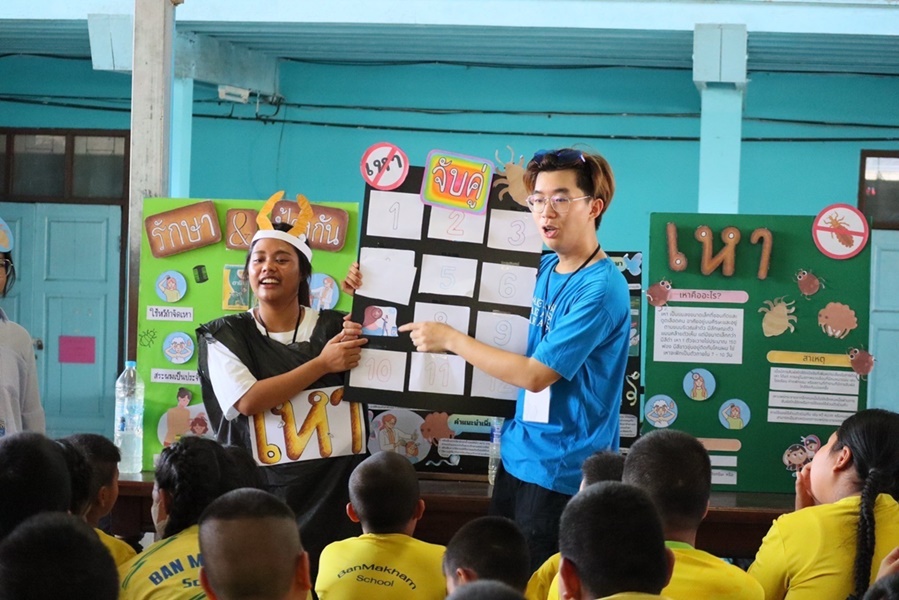
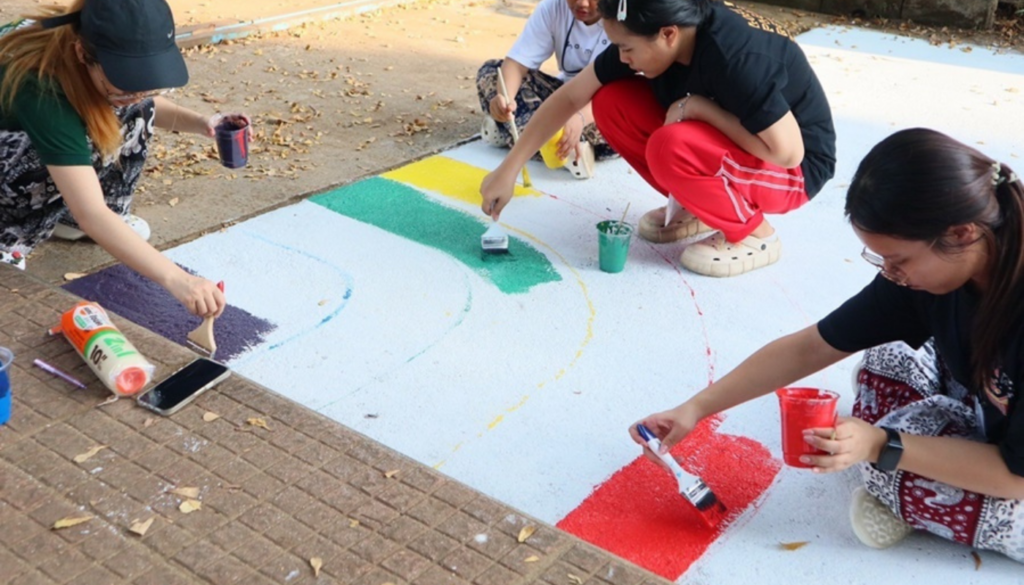
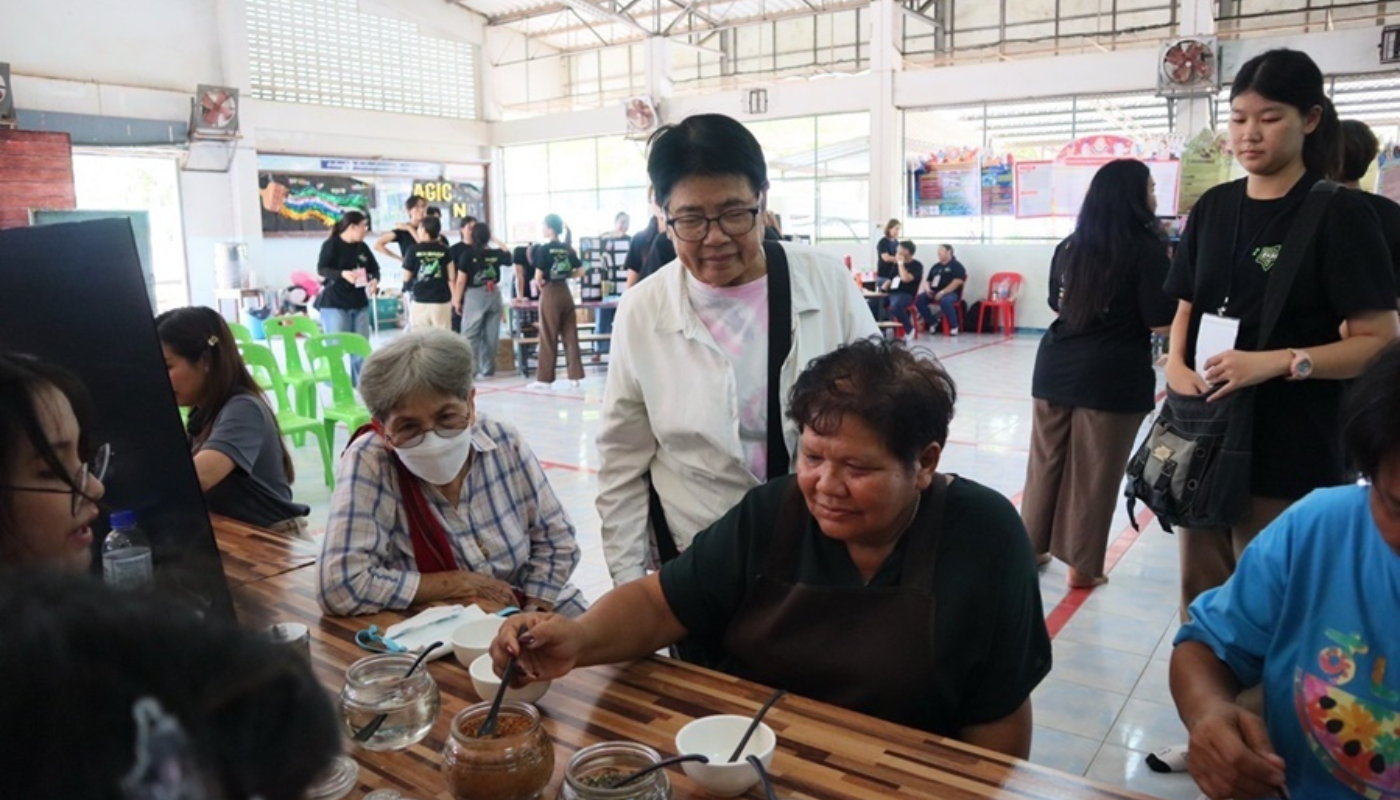
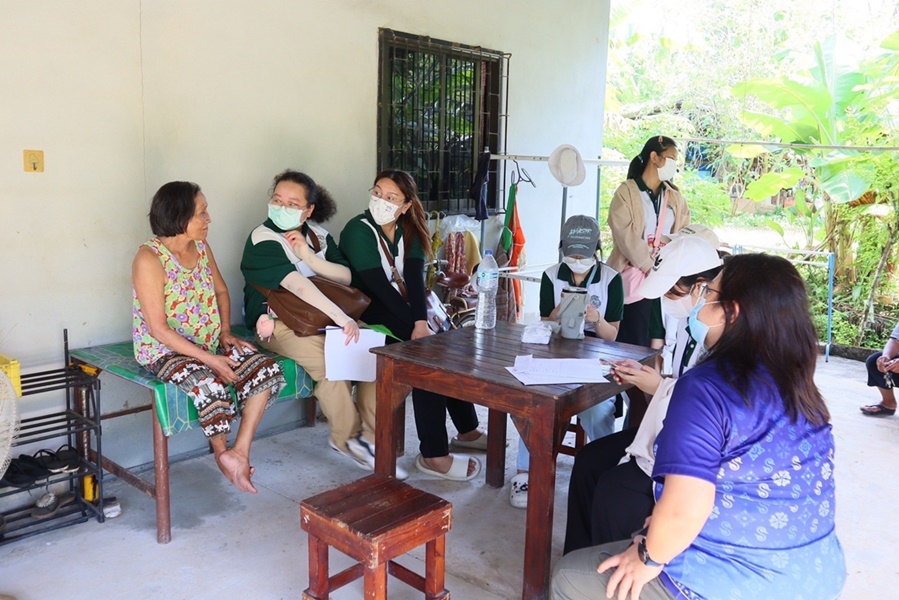
The Faculty of Pharmacy and the Faculty of Pharmacy Student Club, Burapha University, organised the 7th Volunteer Pharmacist Camp for Community Development for the academic year 2024 from November 16-19, 2024, at Ban Makham School, Makham Subdistrict, Makham District, Chanthaburi Province. This project has been conducted annually. Activities for the school and students include painting classrooms based on Brain-Based Learning (BBL) principles, organising and donating books to the library, setting up the school infirmary, arranging a proper medicine cabinet and providing essential household medicines. Additionally, an exhibition was held to educate students, and volunteers visited nearby communities to assess health conditions, educate residents on proper medication use, and provide guidance on household medicine usage. The project aims to instil public service values in students, promote selflessness and social responsibility, enable students to learn about local traditions and culture and develop professional skills for effective health service delivery within the community.
The objectives of the project,
1. To enhance students’ understanding of the role of the pharmacy profession.
2. To improve community health knowledge.
3. To educate the community on the correct use, benefits, and storage of medicines and herbal remedies.
4. To instil a sense of public service in pharmacy students at Burapha University.
5. To develop the community, promote good hygiene among students, and improve the school environment.
Dr. Natthinee Theerakulkittipong, Dean of the Faculty of Pharmacy, presided over the opening ceremony. The activities included painting classrooms following BBL principles, organising and donating books to the library, setting up the school infirmary, properly arranging the medicine cabinet, and donating household medicines. An educational exhibition was held for students, and volunteers also visited surrounding communities to assess health conditions, educate on proper medication use, and provide guidance on household medicines.
The impact of the Project was combined into 2 parts.
1. The community gained correct knowledge and understanding of medication use, herbal remedies, and essential drug storage, particularly the proper and safe use of medicines. Residents learned the importance of reading and carefully following medication labels, consulting doctors or pharmacists before use, and adhering to appropriate medication methods (e.g., not removing powdered medicine from capsules to apply on wounds or ingesting topical medications).
2. The project promoted good hygiene among students, instilled health awareness and knowledge of medication use, and improved the school environment.
Project Leaders: Asst. Prof. Dr. Napapat Rattanachitthawat,