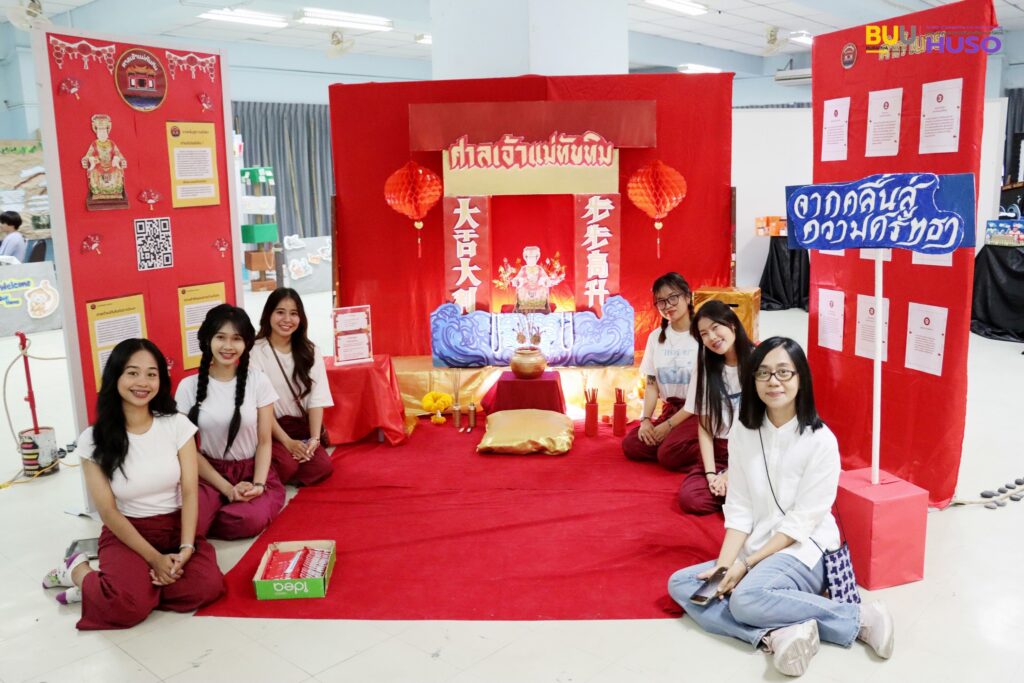
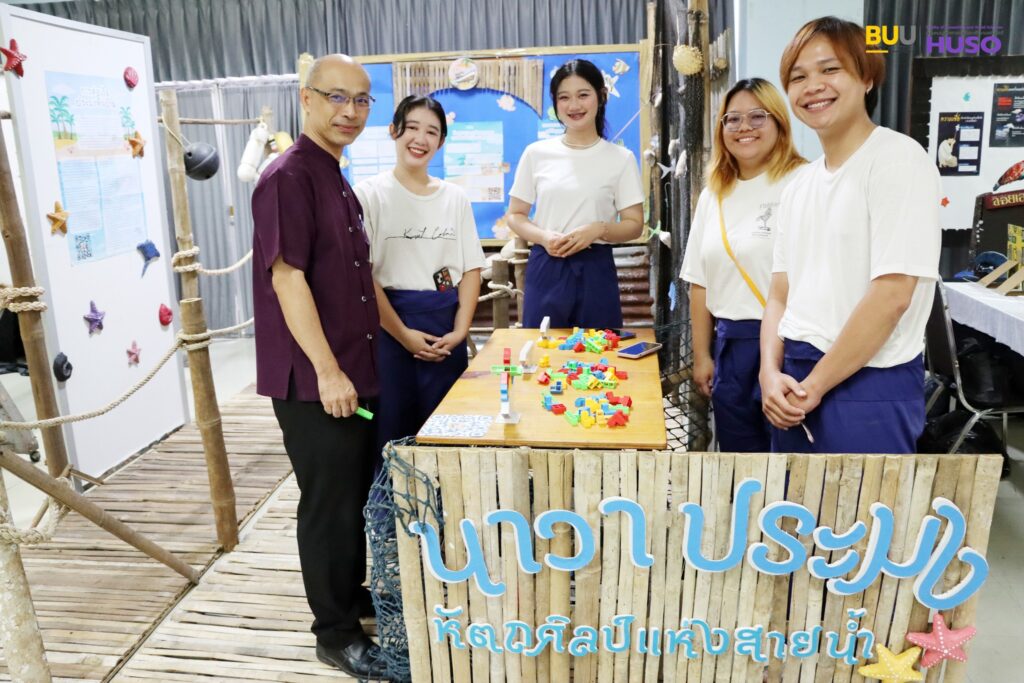
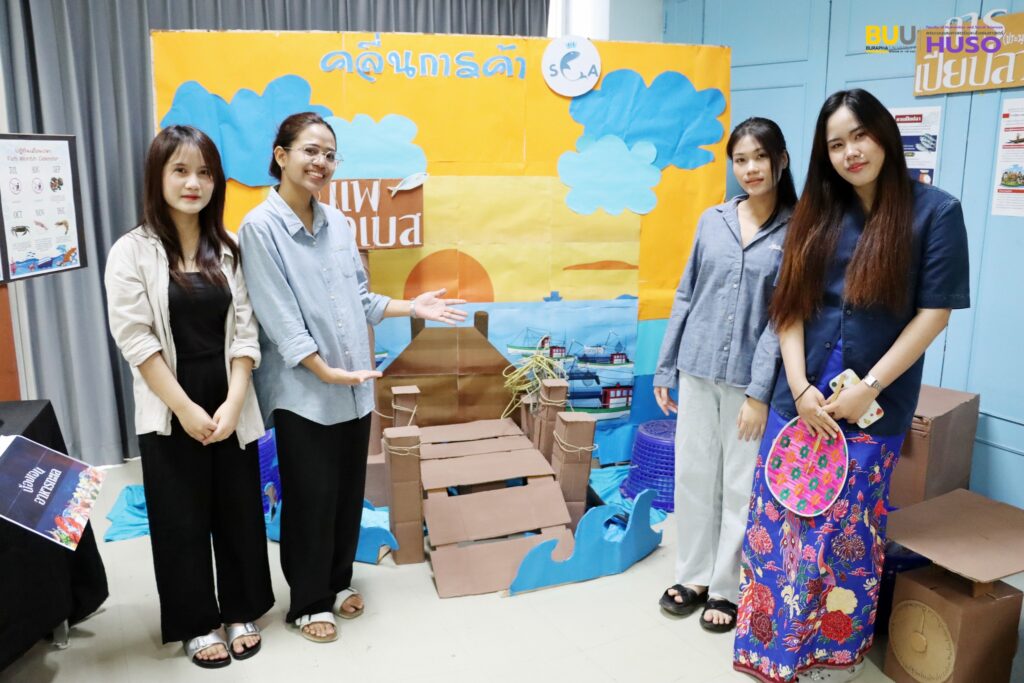
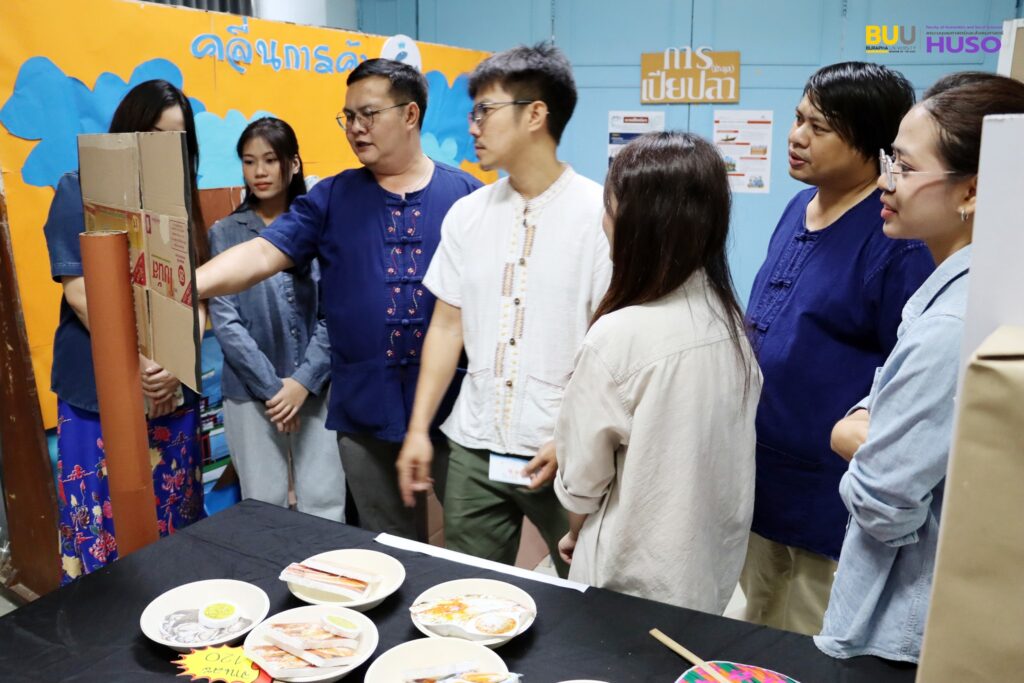
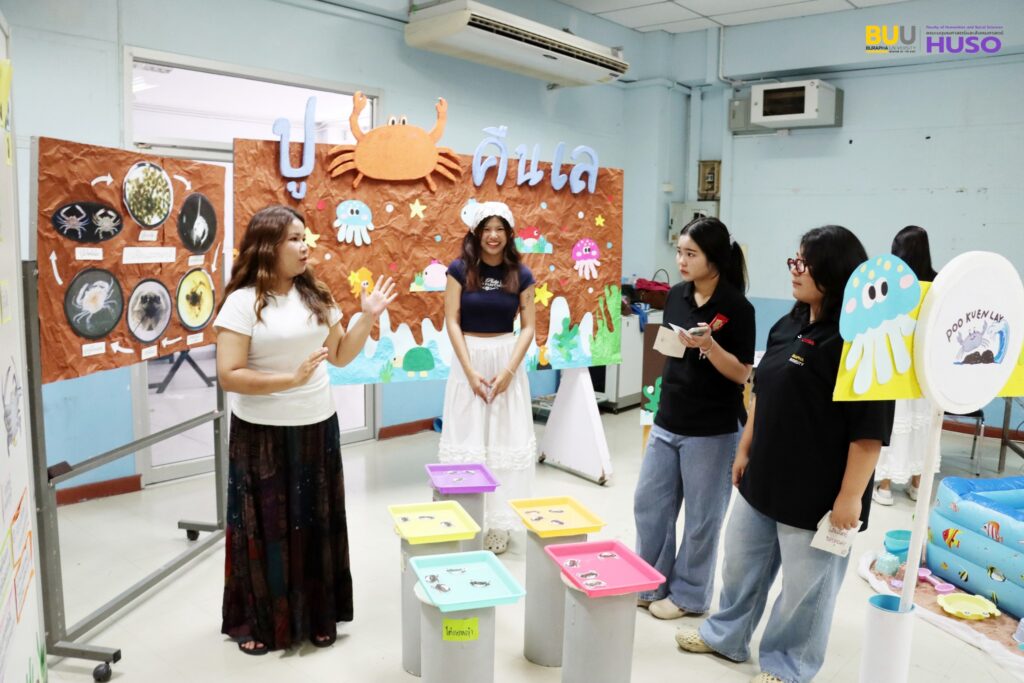
The “Ork-Lay” Exhibition is organized with the aim of promoting and preserving cultural heritage born out of the relationships among people, as well as fostering understanding of the marine resources of Eastern Thailand from multiple perspectives—historical, social, economic, and coastal community lifestyles. It highlights the connections between cultural capital and local wisdom, alongside economic changes driven by industrial development, tourism, and foreign investments.
The exhibition not only presents historical knowledge or the daily lives of fishermen but also aims to inspire viewers to recognize the importance of coastal community conservation and adaptation in the context of globalization, international investments, and environmental changes.
This project has 4 objectives as follow,
1. To study the wisdom of marine fishermen in Eastern Thailand.
2. To investigate the current problems faced by fishing communities.
3. To promote and preserve the wisdom of Eastern fishing communities toward sustainable development.
4. To provide hands-on training in organizing real exhibitions as part of the exhibition management course, including presentation, display techniques, and dissemination of cultural resources, which can be applied in future careers.
The “Ork-Lay” Exhibition was held on Friday, March 7, 2025, and presented content focusing on the wisdom of Eastern Thai fishermen and the current challenges these communities face. It aimed to inform and promote sustainable marine resource management.
The core idea was to convey stories through exhibits, multimedia presentations, and interactive activities that allow visitors to experience and understand the value of marine resources. The exhibition encourages preservation and the continued development of local wisdom for future sustainability.
Finally, this project provides the five outcomes as follows,
1. Visitors gained a deeper understanding of the value of local wisdom and the lifestyles of Eastern fishermen, along with awareness of sustainable resource usage.
2. Visitors acquired knowledge and cultural awareness, which fostered an appreciation of fishing communities’ heritage in the Eastern region.
3. The exhibition helped enhance the image of marine cultural resources as a tourism highlight in the region, linking with relevant attractions.
4. It raised awareness of managing Eastern marine cultural resources. It stimulated interest from tourists in cultural experiences, such as visiting fishing villages, learning local cooking, and participating in traditional marine activities.
5. Exhibition organizers gained practical experience applicable to future careers and integrated knowledge from their coursework on exhibitions, presentations, and cultural resource promotion.
Project Leader: Asst. Prof. Sarunya Prasopchingchana, Faculty of Humanities and Social Sciences