Burapha University's Faculty of Engineering Partners with Lunghwa University
to Develop Dual Degree Programs and Student Exchange in Semiconductor Technology
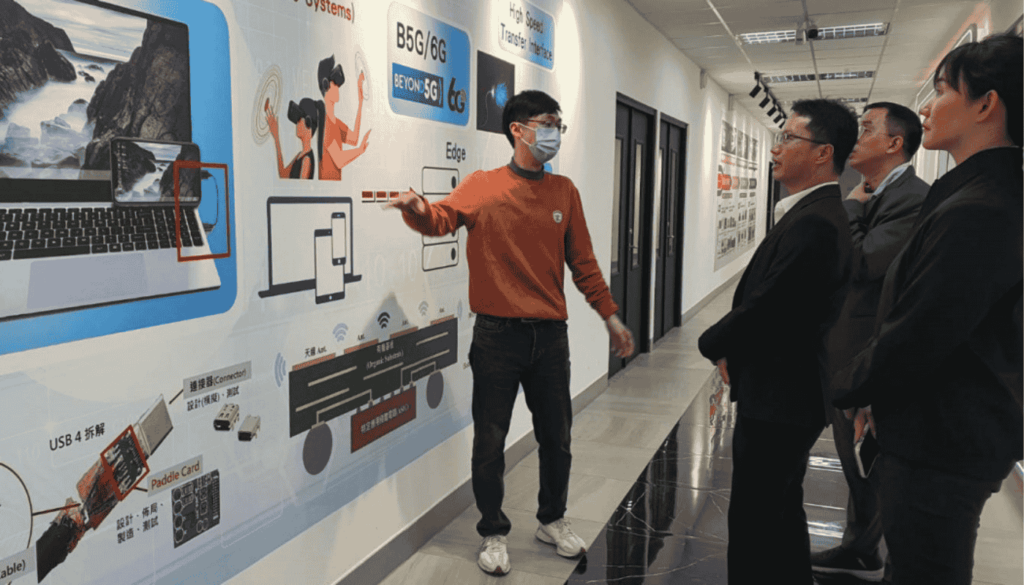
The Faculty of Engineering at Burapha University has established a significant international partnership with Lunghwa University of Science and Technology (Taiwan) to enhance semiconductor technology education and research. This collaboration, formalized in February 2025, aligns with multiple Sustainable Development Goals, particularly SDG 4 (Quality Education), SDG 9 (Industry, Innovation and Infrastructure), and SDG 17 (Partnerships for the Goals).
This project aims to
1. To enhance semiconductor technology education and research at Burapha University through collaboration with Lunghwa University.
2. To develop knowledge and technology in semiconductor manufacturing through academic exchange and technological cooperation between the two institutions.
3. To establish a dual degree program that will provide students with international academic credentials and specialized knowledge in semiconductor technology.
4. To provide specialized training and hands-on experience in advanced semiconductor fabrication technologies and processes to Burapha University students through the student exchange program.
5. To support the development of Thailand’s semiconductor industry into a regional hub.
6. To promote Sustainable Development Goals (SDGs), particularly in the areas of Quality Education, Industry, Innovation and Infrastructure, and Partnerships for the Goals.
Memorandum of Understanding and Strategic Semiconductor Cooperation
On February 5, 2025, the Faculty of Engineering at Burapha University signed a Memorandum of Understanding with Lunghwa University of Science and Technology to develop knowledge and technology in semiconductor manufacturing. This agreement establishes a collaborative network between the two institutions, focusing on academic exchange and joint technological advancement in this critical field.
The partnership comes at a strategic time as Thailand positions itself to become a regional hub for semiconductor manufacturing, supporting the government’s policy to develop this high-technology industry. This initiative exemplifies SDG 9’s focus on building resilient infrastructure, promoting inclusive and sustainable industrialization, and fostering innovation.
Development of Dual Degree Program
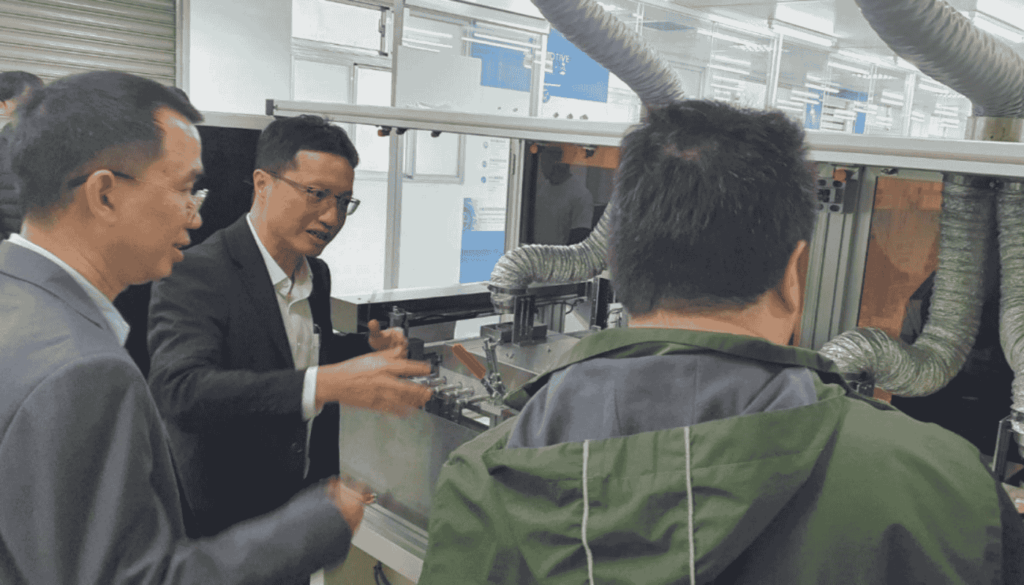
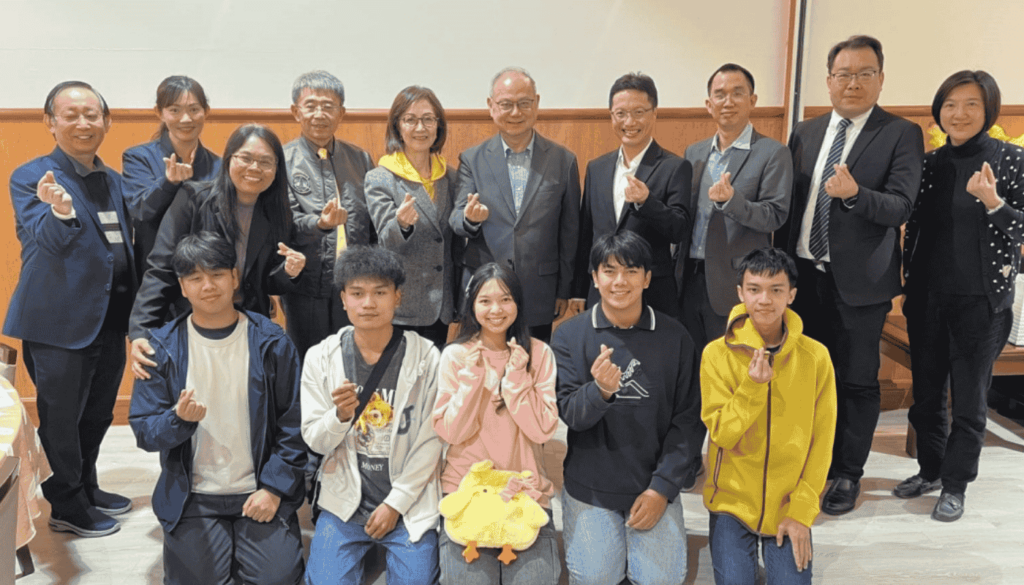
From February 18-21, 2025, a delegation of administrators and faculty members from Burapha University’s Faculty of Engineering visited Lunghwa University to conduct in-depth discussions on establishing a dual degree program. This program aims to provide students with international academic credentials and specialized knowledge in semiconductor technology.
The delegation included:
• Assistant Professor Dr. Nayot Kurukitkoson – Dean, Faculty of Engineering
• Dr. Panuwat Danklang – Associate Dean for Academic Affairs
• Assistant Professor Dr. Mattana Santasnachok – Department of Chemical Engineering
• Ms. Watanya Lunchaipa – Student Development Division
• Dr. Kit Soontorn – External Expert
This international academic cooperation supports SDG 4.B, which aims to expand the number of scholarships available to developing countries for enrollment in higher education programs, including vocational training, information and communications technology, and technical, engineering, and scientific programs.
Student Exchange Program in Semiconductor Technology, As part of this collaboration, the Faculty of Engineering has launched a student exchange program focused on semiconductor technology. Five students have been selected to participate in the “Semiconductor Abroad Program” at Lunghwa University of Science and Technology from February 18 to June 22, 2025.
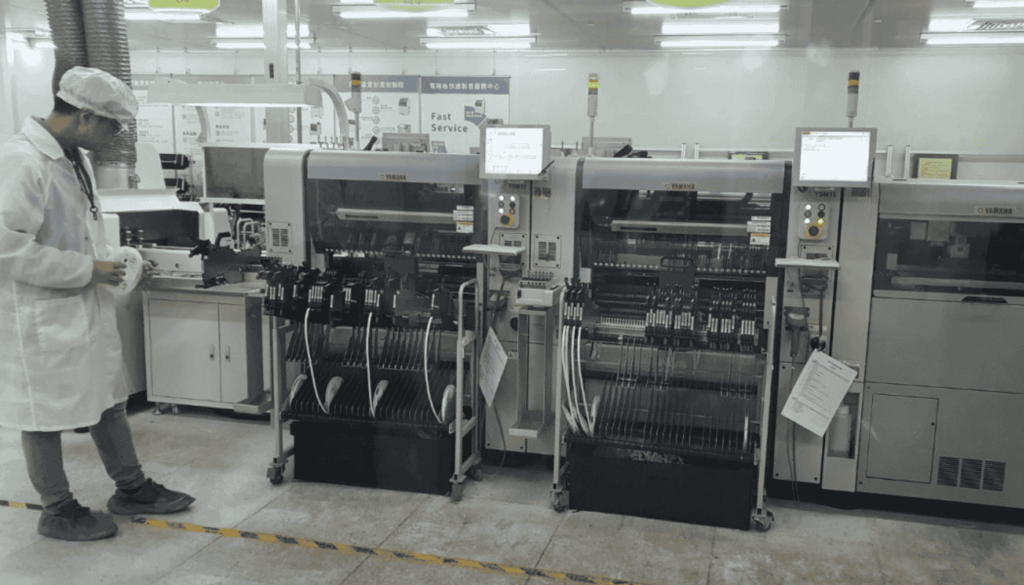
The program provides specialized training for microchip manufacturing process engineers, offering Burapha University students hands-on experience with advanced semiconductor fabrication technologies and processes.
Participating students include:
• From Embedded System and Electronic Communication Engineering:
o Mr. Tanaphat Srisuk
o Mr. Thitiwat Tabtamat
o Ms. Chayada Trakulrat
• From Electrical Engineering:
o Mr. Pattanathanapong Suansorn
o Mr. Pan Suntaku
This exchange program exemplifies SDG 4.4, which aims to substantially increase the number of youth and adults who have relevant skills, including technical and vocational skills, for employment, decent jobs, and entrepreneurship.
Significance of the Collaboration The partnership between Burapha University and Lunghwa University represents a significant step in Thailand’s journey toward becoming a regional semiconductor industry hub. This collaboration supports multiple sustainable development objectives:
1. Educational Excellence (SDG 4): Providing specialized education in advanced semiconductor technology, creating a pipeline of skilled engineers ready to contribute to sustainable technological development.
2. Industrial Innovation (SDG 9): Supporting Thailand’s semiconductor industry development strategy, which aims to create sustainable and innovative technological infrastructure.
3. International Partnership (SDG 17): Strengthening the means of implementation and revitalizing global partnerships for sustainable development through academic collaboration.
4. International Academic Standing: Supporting Burapha University’s strategic goal of becoming an international educational institution and improving its position in The World University Rankings.
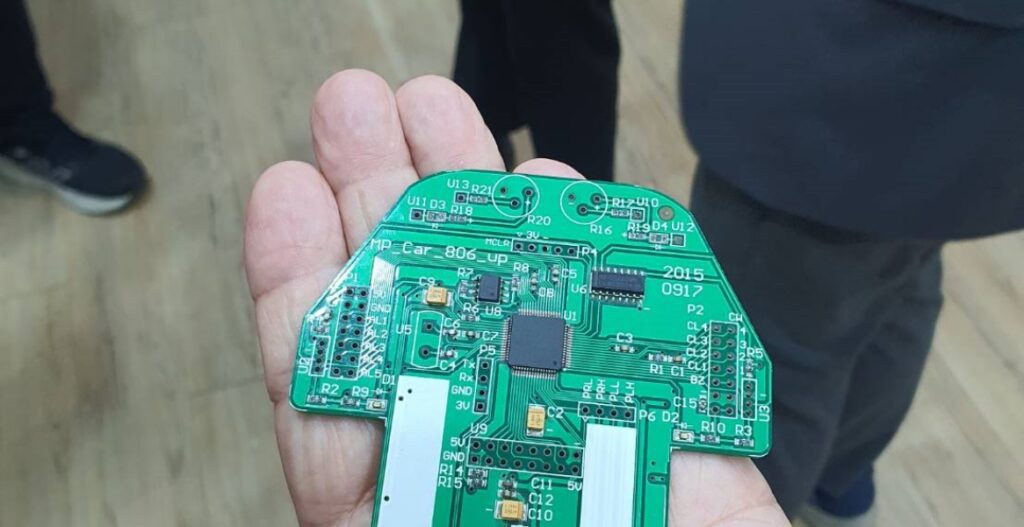
Regional Impact and Future Prospects The semiconductor industry is essential for sustainable technological development across numerous sectors, from renewable energy to transportation and healthcare. By building capacity in semiconductor engineering and research, this partnership contributes to the region’s ability to develop and implement sustainable technological solutions to pressing environmental and social challenges. As this collaboration progresses, it is expected to expand to include joint research projects, faculty exchange programs, and industry partnerships, further strengthening the sustainable development impact of this initiative. The program’s success will be measured not only in academic achievements but also in its contribution to building Thailand’s sustainable high-technology manufacturing capacity in alignment with the 2030 Agenda for Sustainable Development.
Project Leader: Assistant Professor Nayot Kurukitkoson Ph.D., Faculty of Engineering