Burapha University's Faculty of Engineering Showcases Innovations at
"EEC Inspire: Igniting Learning for the Future World" Exhibition
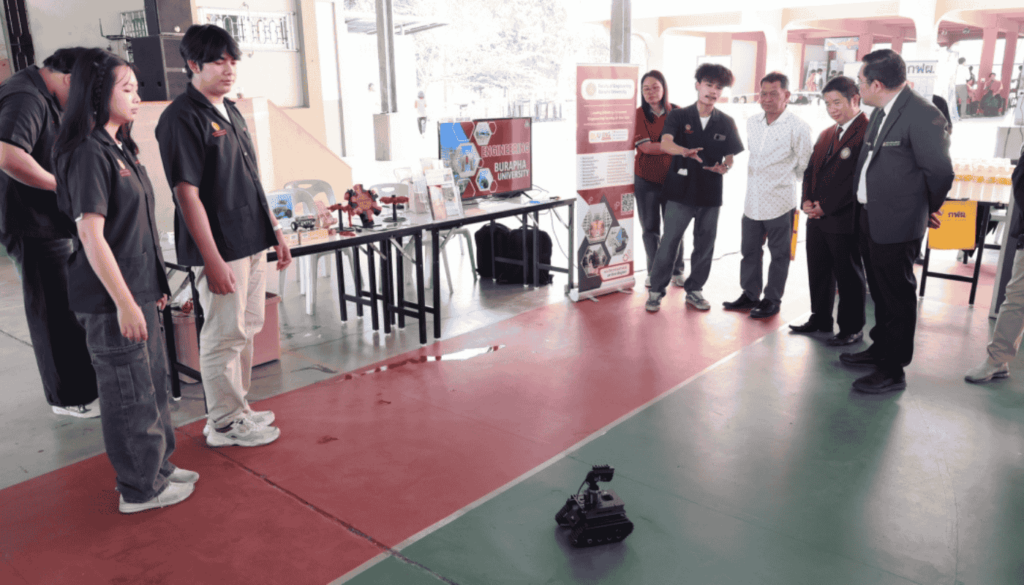
Promoting Quality Education and Industry Partnerships in Eastern Economic Corridor On Friday, January 31, 2025, the Faculty of Engineering at Burapha University participated in the “EEC Inspire: Igniting Learning for the Future World” exhibition organized by Surasak Wittayakom School. This engagement exemplifies the university’s commitment to Sustainable Development Goals 4 (Quality Education) and 9 (Industry, Innovation, and Infrastructure) through educational outreach and promotion of engineering innovation.
This aims of projects:
1) Inspiring the Next Generation of Engineers
2) Connecting Education to Regional Development
3) Building Human Capital for Sustainable Industrial Growth
4) Demonstrating Educational Innovation
5) Strengthening School-University Partnerships
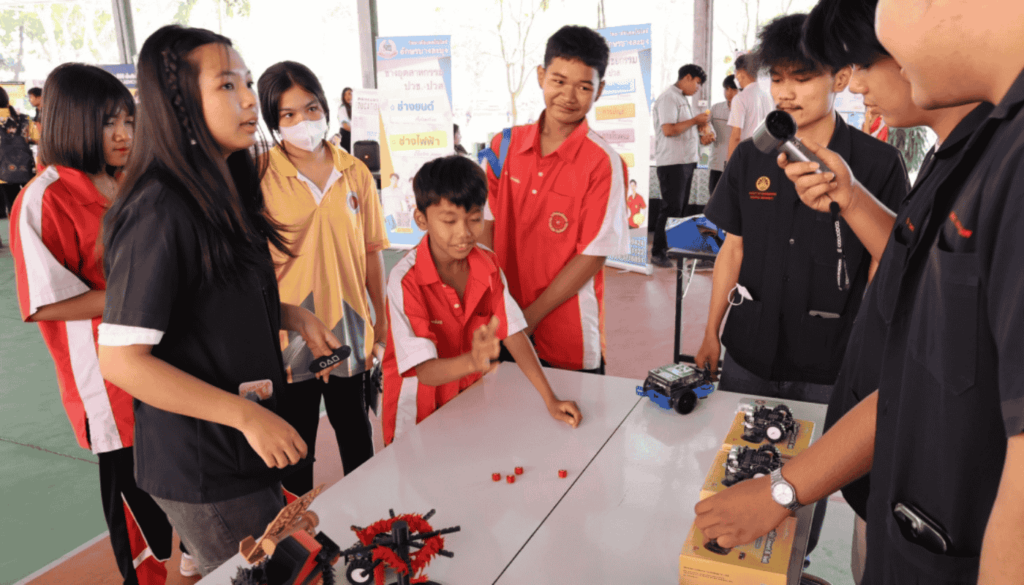
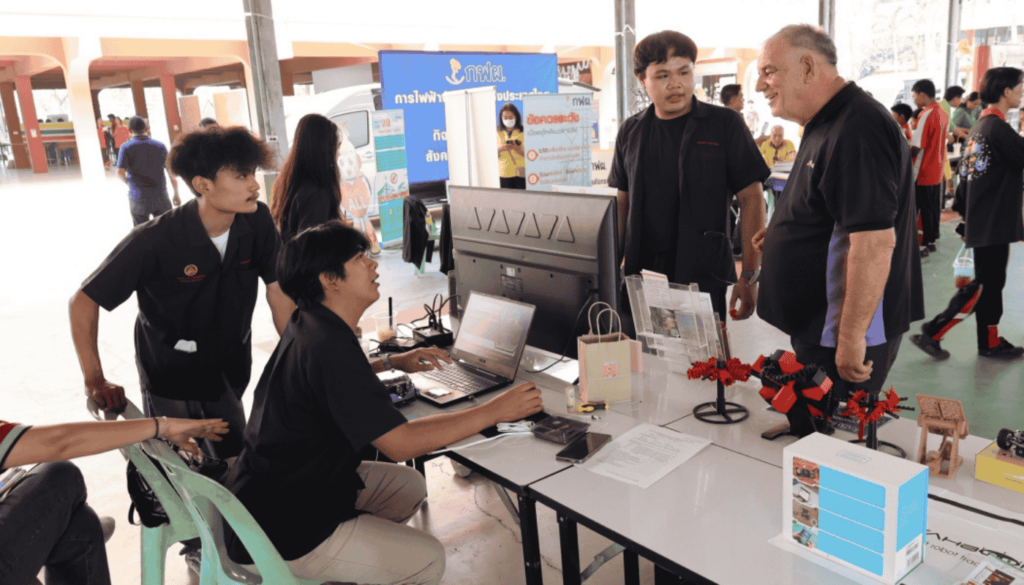
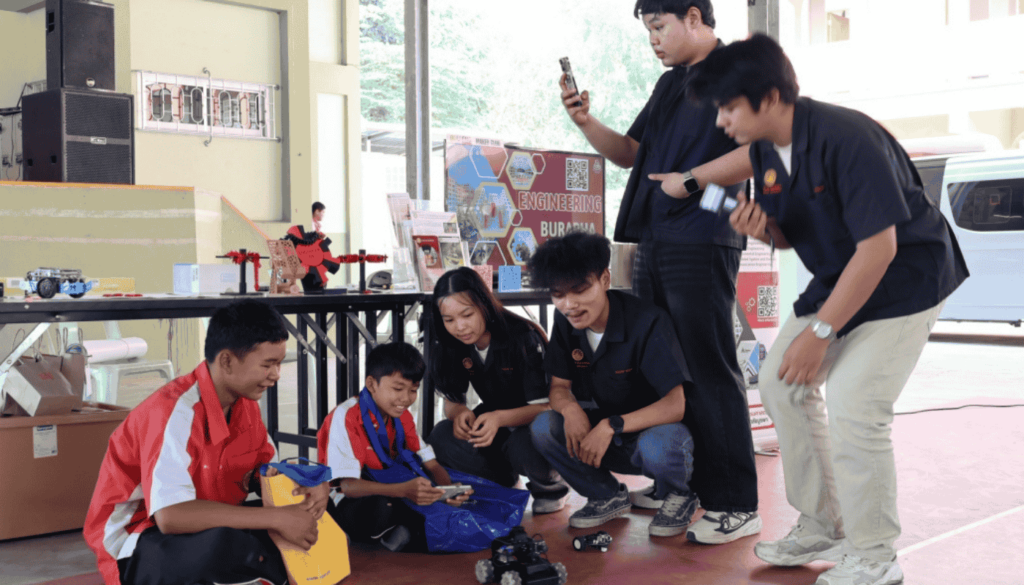
The exhibition aimed to foster learning in science, technology, and innovation among secondary school students in Thailand’s Eastern Economic Corridor (EEC) region. The Faculty of Engineering presented various engineering inventions and innovations, providing interactive experiences that allowed students to engage directly with engineering concepts and applications.
This hands-on approach to STEM education supports SDG 4.4, which focuses on substantially increasing the number of youth and adults who have relevant skills, including technical and vocational skills, for employment, decent jobs, and entrepreneurship by 2030.
Connecting Education to Regional Development
Representatives from the Faculty of Engineering provided educational guidance to students, sharing detailed information about engineering programs offered at Burapha University and the career opportunities available in the engineering sector. The presentation specifically highlighted how these educational pathways align with the industrial needs of the Eastern Economic Corridor, Thailand’s flagship economic development zone.
This strategic alignment between education and regional industrial development supports SDG 9, particularly target 9.2, which aims to promote inclusive and sustainable industrialization and significantly raise industry’s share of employment and gross domestic product.
Building Human Capital for Sustainable Industrial Growth
The Faculty’s participation in this event reflects its vision to be a leader in engineering education for Eastern Thailand’s industrial development. By engaging with secondary school students, the Faculty contributes to building a skilled workforce pipeline that matches the future labor market demands of the region.
This proactive approach to human capital development supports SDG 8 (Decent Work and Economic Growth), especially target 8.6, which aims to substantially reduce the proportion of youth not in employment, education, or training.
Demonstrating Educational Innovation
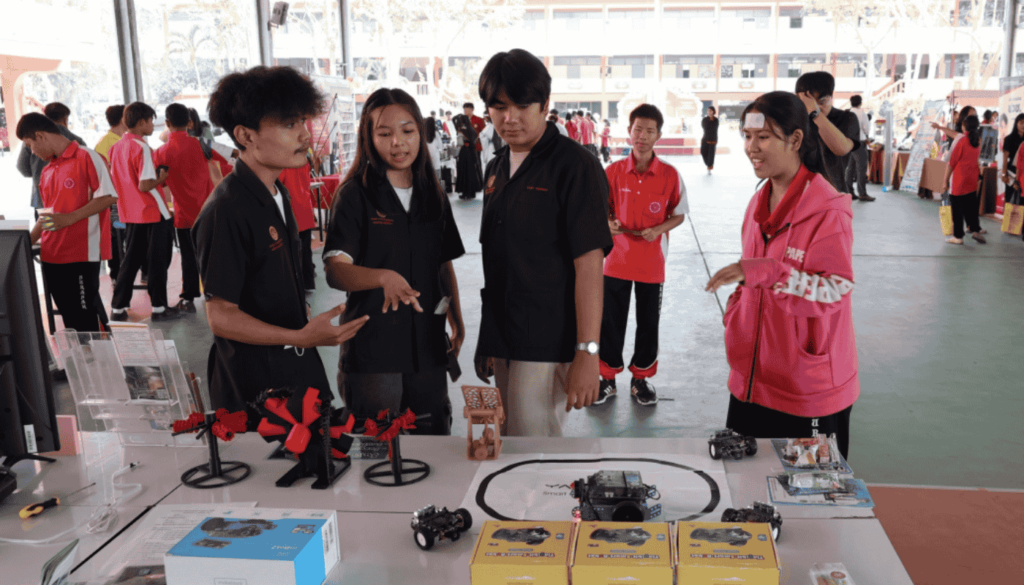
Through interactive exhibitions and demonstrations, the Faculty of Engineering showcased how modern engineering education incorporates practical problem-solving and innovation. Students experienced firsthand how engineering solutions address real-world challenges, highlighting the practical application of classroom knowledge.
This demonstration of educational innovation supports SDG 4.7, which aims to ensure all learners acquire knowledge and skills needed to promote sustainable development through education for sustainable development and sustainable lifestyles.
Strengthening School-University Partnerships
The collaboration with Surasak Wittayakom School for this event strengthens the ties between secondary and tertiary education institutions in the region. This partnership approach creates a more cohesive educational ecosystem that supports students throughout their academic journey.
Such educational partnerships exemplify SDG 17 (Partnerships for the Goals), demonstrating how collaboration between educational institutions can enhance learning outcomes and create more sustainable pathways to technical education
Long-term Impact on Sustainable Development
By inspiring young students to pursue engineering education and careers, the Faculty of Engineering contributes to the long-term sustainable development of Thailand’s Eastern Economic Corridor. Today’s student engagement lays the foundation for tomorrow’s skilled workforce, which is essential for sustainable industrial growth in the region.
This forward-looking approach aligns with Thailand’s broader sustainable development strategy, which emphasizes the development of human capital as a cornerstone of sustainable economic growth and technological advancement.
The Faculty of Engineering at Burapha University remains committed to its educational outreach initiatives, recognizing that quality education in science and engineering is not only essential for individual career opportunities but also critical for the sustainable economic development of the Eastern Economic Corridor and Thailand as a whole.
Project Leader: Assoc. Prof. Sanchai Eardprab, Ph.D., Faculty of Engineering