
Cargill Cares: Safe Rice Cultivation, A Testament to Cargill’s Care 2025 (Chapter 2)
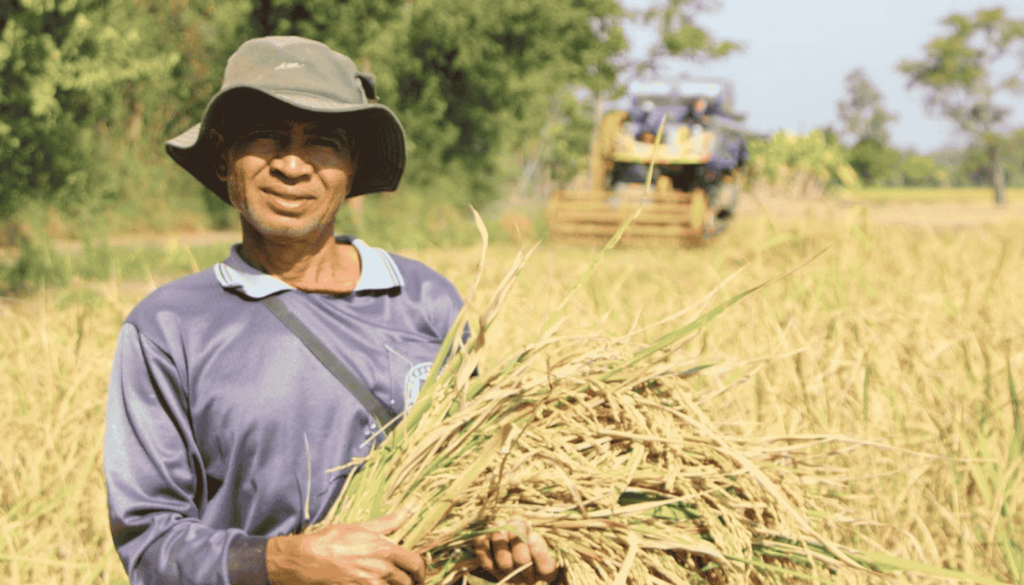
Cargill Cares: Promoting Safe Rice Cultivation – A Continuing Commitment
Burapha University (Sakaeo Campus), in collaboration with the Farm of Suranaree University of Technology (SUT) and Cargill Meats (Thailand) Co., Ltd., has been continuously implementing the “Cargill Cares: Promoting Safe Rice Cultivation” project for three consecutive years to support farmers in Chok Chai District, Nakhon Ratchasima Province.
In its first year, the project engaged 50 farmers. Participation grew to 70 farmers in the second year and increased to 100 farmers in the third year, clearly reflecting rising interest among local farmers who recognize the benefits of applying scientific and practical knowledge to improve rice cultivation within their communities.
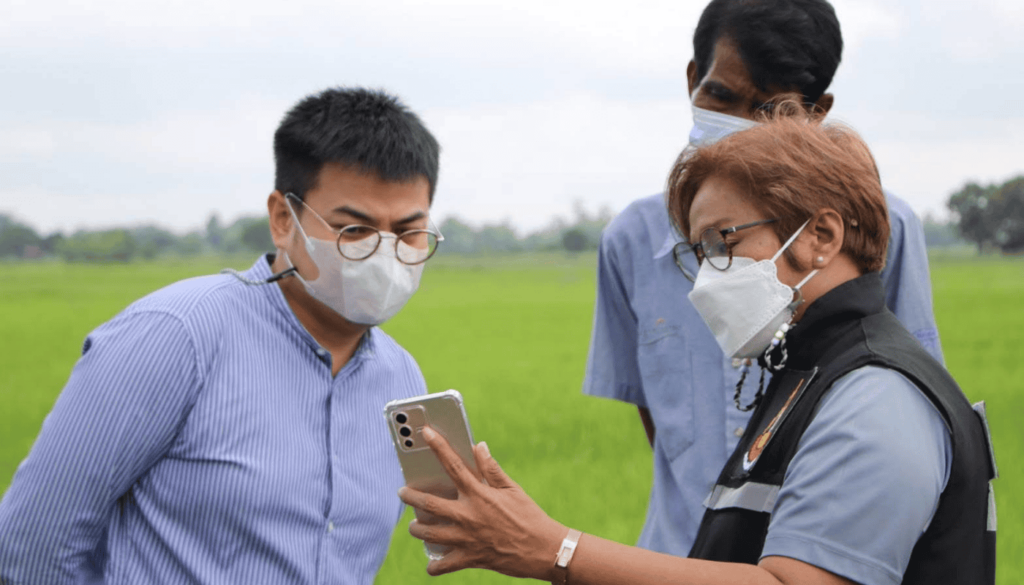
Throughout the project, data collection, progress monitoring, and continuous guidance have been provided. The initiative also supports product development to generate sustainable income while promoting the use of technology alongside environmental conservation and local wisdom.

Project Objectives:
1. To disseminate knowledge on safe rice cultivation by improving farming practices through the integration of scientific methods and local wisdom.
2. To promote sustainable agriculture by encouraging high-quality farm management practices that align with the concept of Education for Sustainable Development (ESD).
The three partner institutions—Burapha University (Sakaeo Campus), the SUT Farm, and Cargill Meats (Thailand) Co., Ltd.—presented the outcomes and innovations from this project at the International Conference on Sustainable Agricultural Innovation held in Tokyo, Japan, from 13–16 March 2025. The focus was on advancing sustainable agriculture and equipping communities with adaptive capacities to cope with climate change while fostering economic and social sustainability.
Project Outcomes
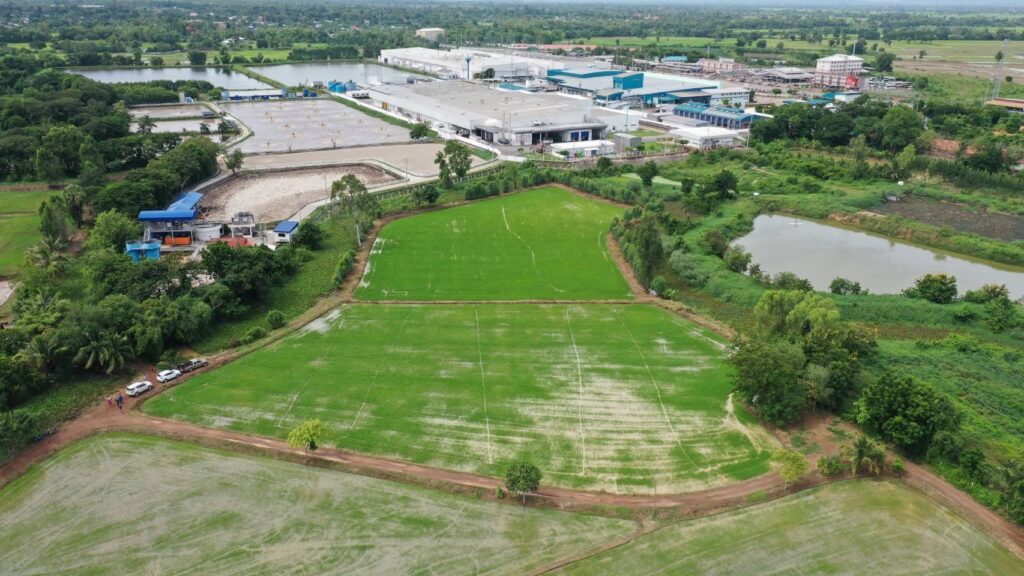
Through this initiative, 104 farming households in Chok Chai District were able to cultivate rice over a total area of 1,815.25 rai (approximately 290 hectares), yielding an average of 704 kilograms per rai. This led to a collective income of over 13.3 million baht. These results were achieved by improving farming methods through the application of scientific knowledge combined with local wisdom.
A key strength of the Chok Chai farmers lies in their effective farm management, which includes analyzing soil conditions, water quality, and rice strain resilience. Techniques shared by SUT Farm and Burapha University were adapted to reduce costs, increase productivity, and conserve the environment.
The project also actively promoted the Education for Sustainable Development (ESD) approach, enabling farmers to become more resilient and responsive to economic, social, and environmental changes.
Impacts
1. Raised awareness and understanding of sustainable agriculture through the integration of academic knowledge and local wisdom in rice field management, aligned with ESD principles. The project covered all three pillars of sustainability: social, economic, and environmental, as showcased at the international conference.
2. Successfully publicized the “Cargill Cares: Promoting Safe Rice Cultivation” initiative as a model of corporate care and academic collaboration that fosters community development.
Project leader: Asst. Prof. Dr. Supreena srisaikam, Faculty of Agricultural Technology