BUU Students and Staff Empowered through Volunteer Mission aboard the Icebreaker 'Xue Long 2'

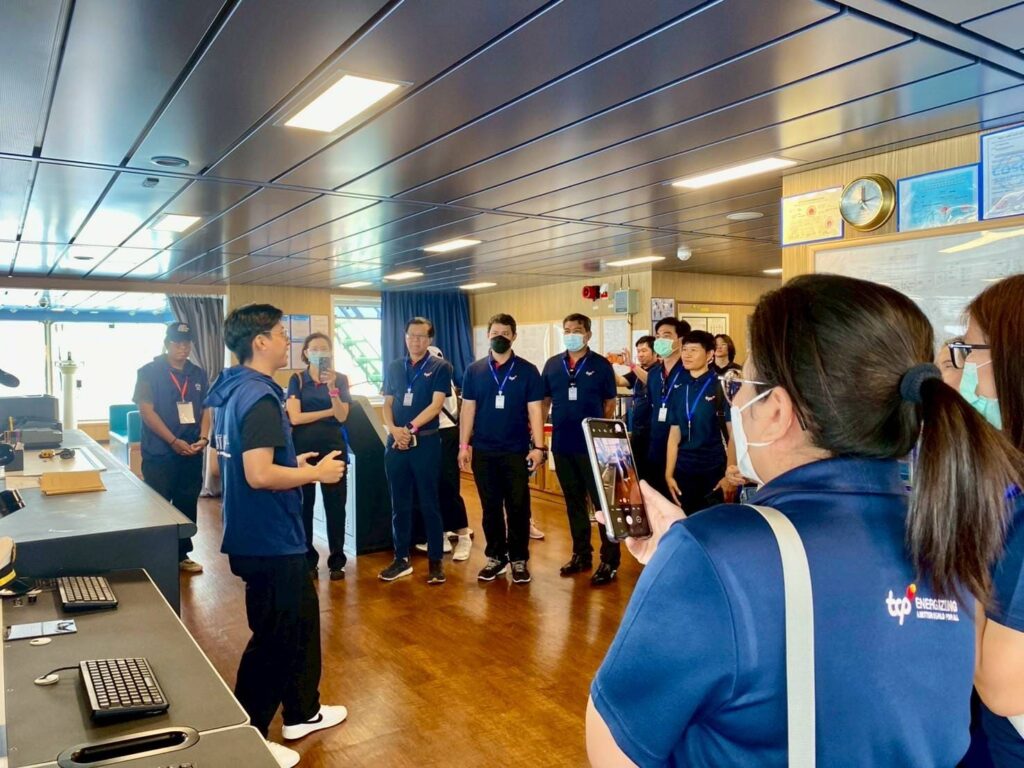
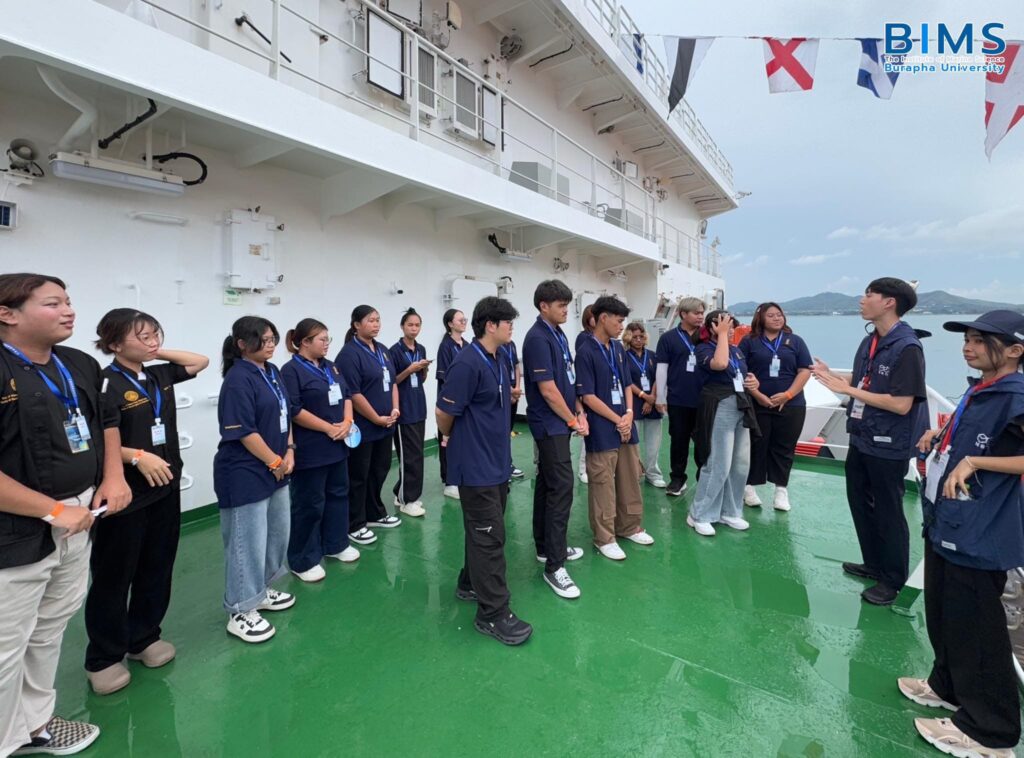
Between 18 and 24 May 2025, the Institute of Marine Science at Burapha University implemented a capacity-building initiative designed to enhance the competencies of students and academic personnel in the field of marine science. The program was conducted aboard the icebreaker “Xue Long 2” from the People’s Republic of China, stationed at Chuk Samet Port, Royal Thai Navy Base, Sattahip, Chonburi Province, Thailand. More than 40 participants from diverse academic disciplines, including the Department of Aquatic Science, Faculty of Science, the Chinese Language Program, Faculty of Humanities and Social Sciences, and the Faculty of Marine Technology at Chanthaburi Campus, engaged in this immersive learning experience. A key feature of the program involved students assuming the role of volunteer science communicators, tasked with delivering guided tours and communicating the scientific missions of the “Xue Long 2” to visiting groups from various sectors, including high school students, university students, and academic professionals. This required participants to integrate subject-specific knowledge with public communication skills, thereby promoting both scientific understanding and community engagement.
Objective of this project
1. To enhance the capacity of students and staff in the field of marine science through field-based experiential learning, hands-on activities, and the development of academic communication skills for public engagement.
2. To foster critical thinking, lifelong learning, and student engagement in global environmental issues, while cultivating their potential as global citizens with a deep understanding of international contexts.
3. To promote academic collaboration between Burapha University, the National Science Museum Thailand (NSM), and researchers from the People’s Republic of China in exchanging knowledge in science, education, and sustainable development.
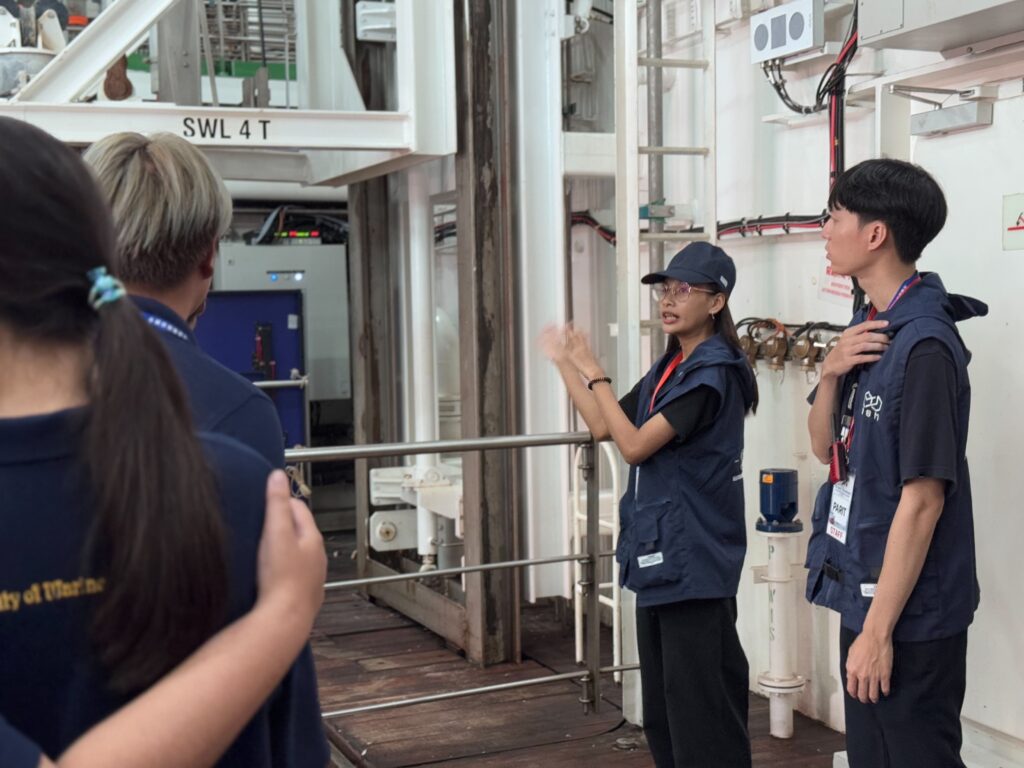
Behind the scenes of the preparation was the Academic Services Team of the Institute of Marine Science, which provided intensive training on both academic content and effective science communication for the public. This field-based experience significantly enhanced students’ critical thinking, communication skills, and lifelong learning in real-world settings. It also broadened their perspectives on global issues such as climate change, marine biodiversity, and the sustainable use of natural resources. At the same time, the program demonstrated the power of international collaboration in expanding academic horizons. It encouraged students to recognise their roles as global citizens who contribute to societal advancement through knowledge and engagement.
It promoted lifelong learning through experiential education, enabling students from multiple disciplines to engage in real-world practice. By serving as volunteer science communicators aboard the icebreaker “Xue Long 2,” students enhanced essential 21st-century skills, including communication, teamwork, and public engagement. These experiences also contributed to their readiness for civic participation and global citizenship. The activity provided marine science outreach and awareness on sustainable ocean management. Through guided tours and educational content, students helped increase public understanding of climate change, marine biodiversity, and the role of polar and oceanic research. This reflects the university’s active role in conserving marine ecosystems and fostering responsible ocean stewardship through public education. This initiative exemplifies how universities can serve as transformative spaces that bridge knowledge, practice, and sustainability.
Project Leader: Mr. Jirasak Chamchuen, Institute of Marine Science