
Brain, Mind, and Learning (BML) Student Training Program
at Phuket Elderly Foundation: Happiness Enhancing Program with ACT (HEPA) for Elderly
In the next decade, Thailand is expected to become
a “super-aged society” with the rise of elderly aged 60 years and above. Aging is associated with changes in dynamic biological, psychological, behavioral, and social processes. The elderly is the vulnerable group exhibiting a rapid decline in cognitive and physical capacities. Aging has profound consequences on a country’s health systems, caregiver capacity, workforce, and overall society. Therefore, better strategies to ensure good mental health and well-being in the growing older population are needed. The promotion of healthy aging is an essential role for a country’s society. Care for elders requires multidimensional skills and sensitivity that can prevent disability and suffering and promote the highest possible level of functioning and well-being, including cognitive capacity and psychological well-being. Thus, the BML faculty committee was aware of the impact of aging on the elderly brain and mind and organized the project to train students on the implementation of interventions to enhance cognitive capacity and mental health among elders in order to promote healthy aging.
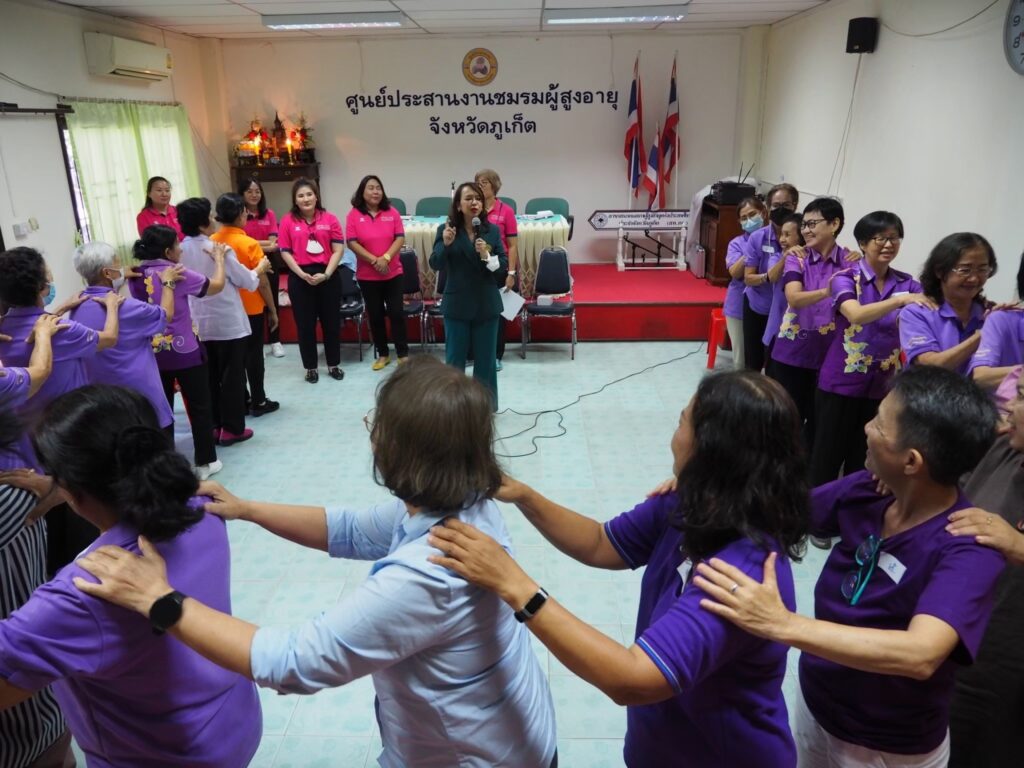
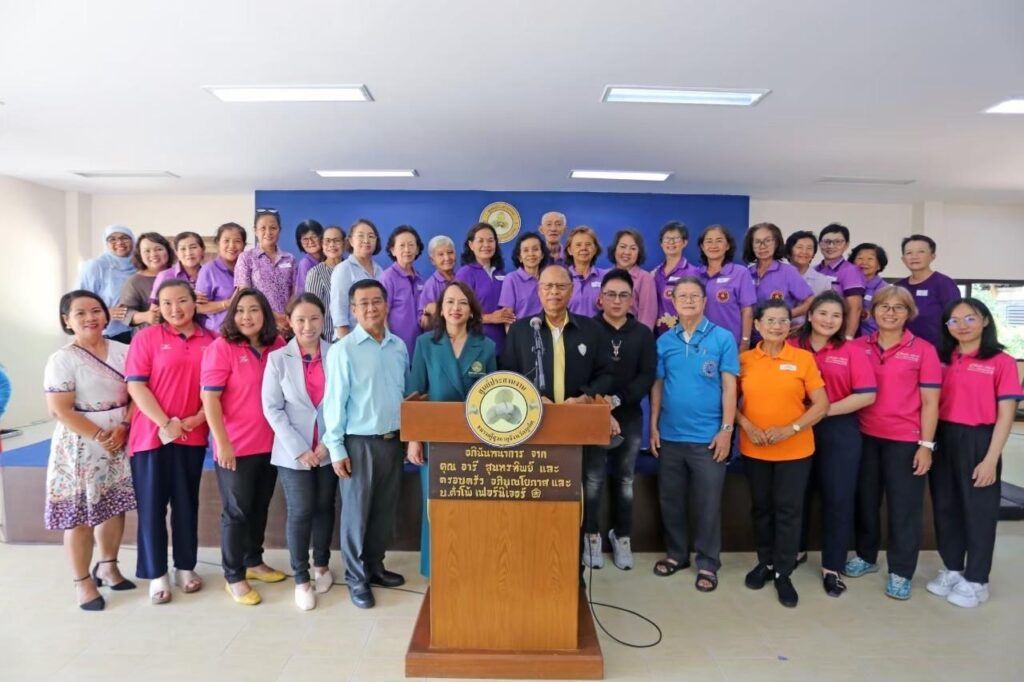
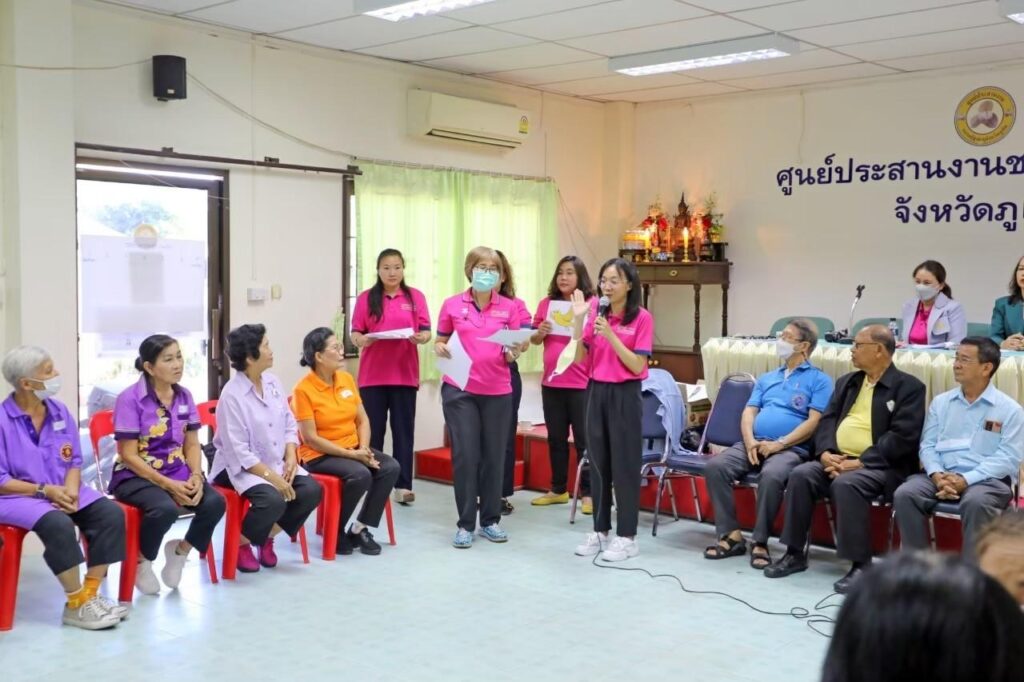
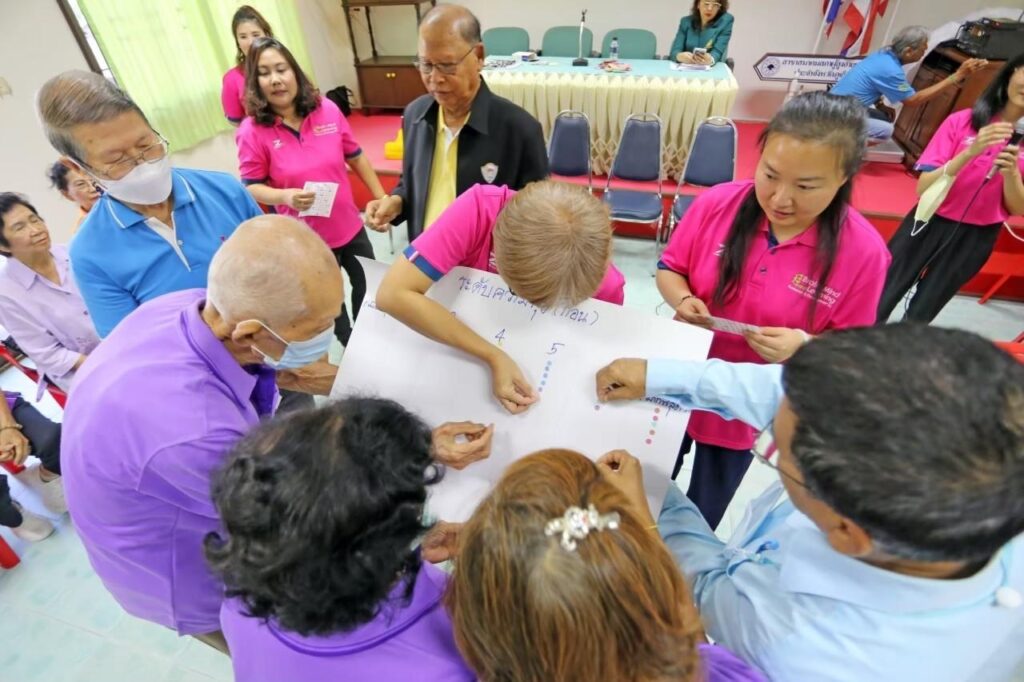
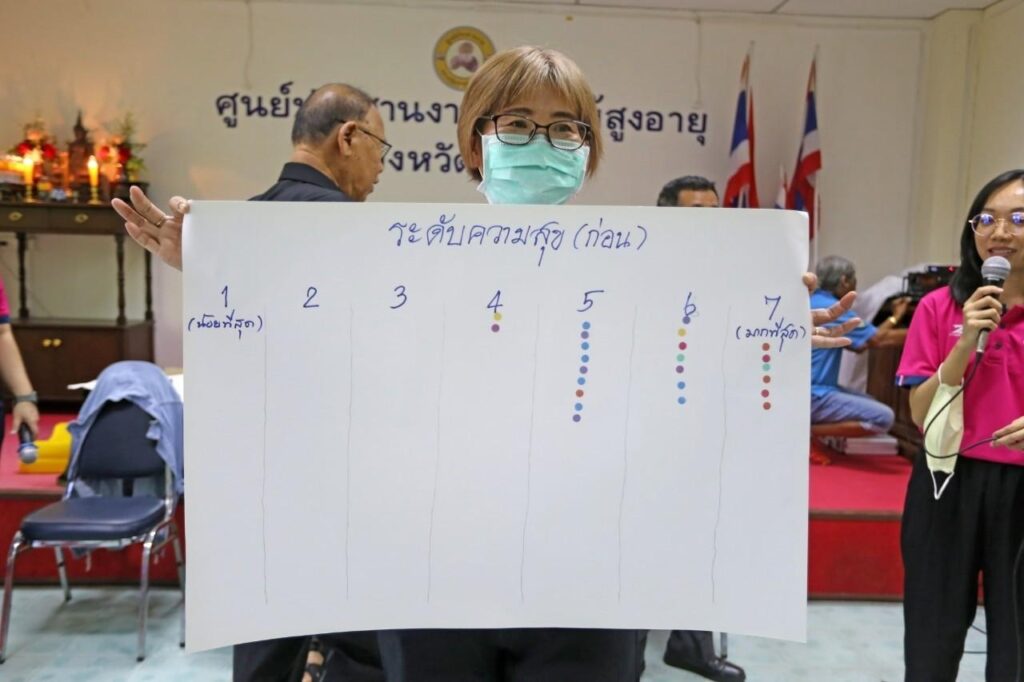
From February 16th to 18th, graduate students of the Brain, Mind, and Learning (BML) program along with faculty members and lecturers developed and implemented an intervention to promote cognitive capacity and psychological well-being among the elderly based on the theoretical framework of Acceptance and Commitment Therapy (ACT). The intervention was named as Happiness Enhancing Program with ACT for Elderly and used to apply to 30 elderly individuals at Phuket Elderly Foundation, located in Wichit Subdistrict, Muang Phuket, Phuket Province, Thailand for the purpose of promoting cognitive capacity and psychological well-being as well as educating caregivers for an awareness of health and wellness among elderly.
Happiness Enhancing Program with ACT (HEPA) was developed by BML graduate students with the suggestions of specialized faculty members. HEPA was a cognitive training program that integrated knowledge between neuroscience and cognitive psychology with the incorporation of Acceptance and Commitment Therapy (ACT). ACT is mindfulness-based behavioral therapy with the goal of creating a rich and meaningful life while accepting pain and unpleasant or unwanted experiences. ACT can be used to enhance cognitive capacity and psychological well-being in many clinical contexts. Graduate students were trained to use HEPA and applied to 30 elders and caregivers at Phuket Elderly Foundation. Besides the promotion of healthy aging, BML students learned through practical experience in local communities throughout Thailand and had the opportunity to absorb different local cultures.
Outcomes:
1. The implementation of Happiness Enhancing Program with ACT (HEPA) to promote cognitive capacity and psychological well-being was successful.
2. BML graduate students gained practical experience on the development and implementation of intervention based on knowledge in Brain, Mind, and Learning. They had the opportunity to learn about new local cultures in different local communities.
Positive Impacts on the Community:
Most of the elderly participants had positive feedback and motivation to apply the learned knowledge for daily living. They also had a positive attitude toward the care for the brain and mind as well as an increased awareness of creating happiness in life.
Project Leader: Assistant Professor Warakorn Supwirapakorn, Faculty of Education