Conservation of Mangrove Biodiversity in the Khlong Tamru Project:
Coastal Guard's Role in the Convention on Biological Diversity (CBD) for Sustainable Development
The Convention on Biological Diversity (CBD) is a global agreement created to tackle the preservation and responsible utilization of biological diversity. The Convention on Biological Diversity (CBD) is frequently abbreviated as CBD and is one of the three primary international environmental agreements established by the United Nations. It operates in conjunction with the United Nations Framework Convention on Climate Change (UNFCCC) and the United Nations Convention to Combat Desertification (UNCCD). The primary objective of the CBD is to preserve and protect the variety of life on Earth, encompassing ecosystems, species, and genetic resources. It underscores the significance of conserving the biodiversity of life on Earth and averting species extinction.
In order to preserve the variety of coastal flora and fauna, we present the “Coastal Guard Under CBD Biodiversity” initiative. Particularly noteworthy is the project’s impact on the 1,200 acres of mangrove forest that make up the Khlong Tamru industrial area. This forest was once a fertile habitat for a variety of aquatic species. But industrialization and population growth have cut down a lot of mangrove trees, which is bad news for marine life.
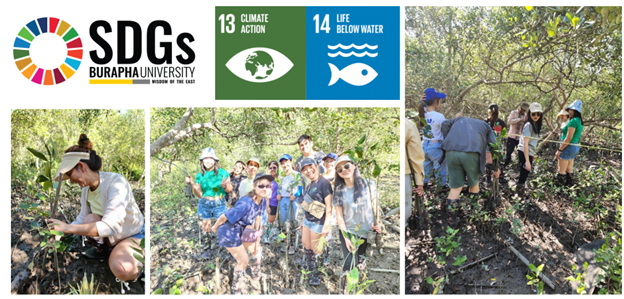
MBA students from Burapha Business School (BBS) recognized the importance of restoring mangrove forests and took action to address the ecological imbalance. Our focus was on Khlong Tamru, an area where industrialization has led to a significant loss of marine habitat. The construction of factories and human settlements has severely damaged the mangrove ecosystem, resulting in decreased biodiversity and fewer breeding grounds for aquatic species.
The Conservation of Mangrove Biodiversity in the Khlong Tamru Project, under the Coastal Guard’s role in the Convention on Biological Diversity (CBD), aims to restore mangrove forests that have been depleted due to ongoing urbanization and intrusion. The initiative seeks to reestablish mangrove vegetation to enhance overall environmental sustainability. Highlighting the importance of mangrove forests as crucial habitats for aquatic organisms, particularly during their early developmental stages, the project addresses the direct impact of reduced mangrove coverage on marine life and coastal resources.
The project has two main objectives: to provide suitable habitats for aquatic organisms and to mitigate coastal erosion. The resilient root systems of mangrove trees contribute to soil stability, effectively preventing erosion and protecting coastlines, thus benefiting coastal communities. Additionally, the CBD Biodiversity Initiative recognizes the potential for eco-tourism associated with mangrove forests, offering opportunities for educational and recreational activities.
The objectives of this project in Khlong Tamru include restoring mangrove ecosystems, expanding mangrove coverage, safeguarding aquatic habitats, slowing coastal erosion, and promoting ecotourism. Providing economic benefits to the community while also advancing environmental sustainability is the objective of the project, which aims to accomplish these goals.
Project Leader: Asst. Prof. Wanvicechanee Tanoamchard, Burapha Business School (BBS)