Technology transfer and incubation of bio-agricultural entrepreneurs Based on the Use of Community-Treated Water
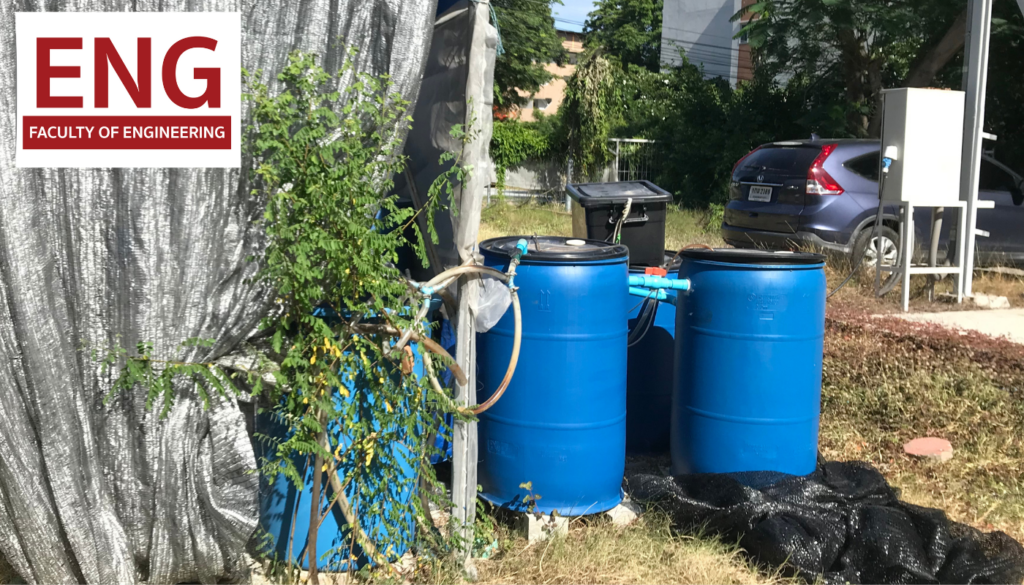
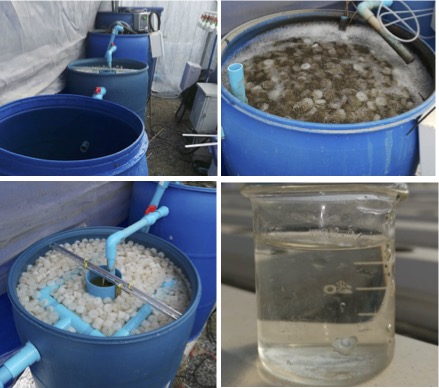
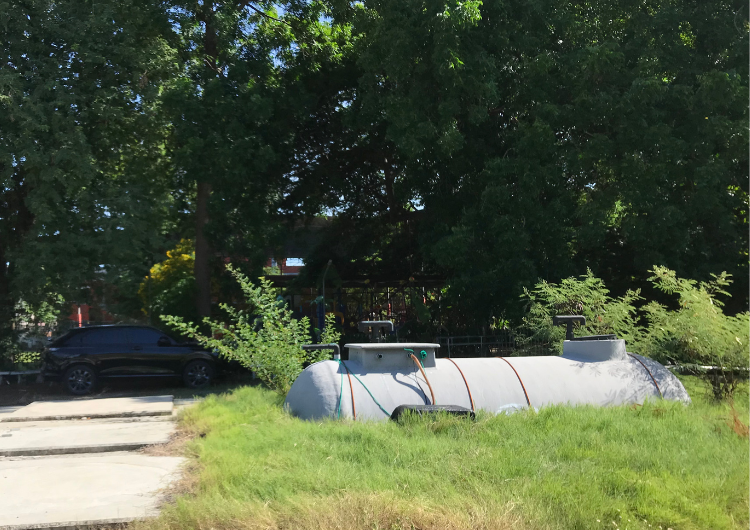
Due to global warming and industrial expansions, a water shortage is expected in Thailand’s Eastern Economic Corridor (EEC). The water demands are predicted to be increased for industries, decreasing water supply availability for residential areas and agricultural uses. To increase the availability of drinking water for residential areas and produce liquid fertilizers for the agriculture sector, a small Moving Bed Biofilm Reactor (MBBR) wastewater treatment system was developed and built economically and environmentally by Dr. Tongchai Sriwiriyarat and Dr. Chanyut Kalakan, associate professor and assistant professor from the Faculty of Engineering, Burapha University, respectively, with assistants from his colleague to treat the wastewater from a building of Piboonbumpen Demonstration School, Burapha University, for reusing effluent for agricultural uses. The treated effluent contains nutrients, including nitrogen and phosphorus, without minimal suspended solids; therefore, the effluent can be used as plant fertilizers. The objectives were to reduce water supply demand for watering plants, thus increasing water availability for drinking water. However, the effluent can be further treated to meet the requirements for other reusing objectives. The minimal reusing of wastewater from each building and household would contribute to the saving of water supply; therefore, the water shortage for drinking water can be minimized, reaching the target of sustainable development goals (SDGs) 6 of water and sanitation.
Project Leaders: Assoc. Prof. Dr. Tongchai Sriwiriyarat and Asst. Prof. Dr. Chanyut Kalakan,