Sustainable Drinking Water Initiative at Faculty of Engineering, Burapha University
Enhancing Campus Sustainability Through Innovative Water Solutions. The Faculty of Engineering at Burapha University has implemented a sustainable drinking water system across its campus, providing students, faculty, and staff with convenient access to clean drinking water. This initiative aligns with the university’s commitment to the United Nations Sustainable Development Goals (SDGs), particularly SDG 6 (Clean Water and Sanitation) and SDG 12 (Responsible Consumption and Production).
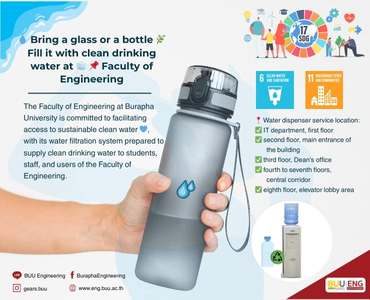
Strategic Access Points To ensure maximum accessibility and convenience, drinking water stations have been strategically installed throughout the Faculty of Engineering premises. These include: • The student activity area, a central gathering space where students can easily refill their reusable water bottles • Multiple floors of the Kasem Chatikavnich Building, making clean drinking water accessible to classrooms, laboratories, and faculty offices This thoughtful placement of water stations serves a substantial community of approximately 2,000 students and 157 faculty and academic support staff. The initiative is designed to meet the daily hydration needs of this large population while encouraging the university community to adopt sustainable habits by making reusable water bottles a practical alternative to single-use plastics.
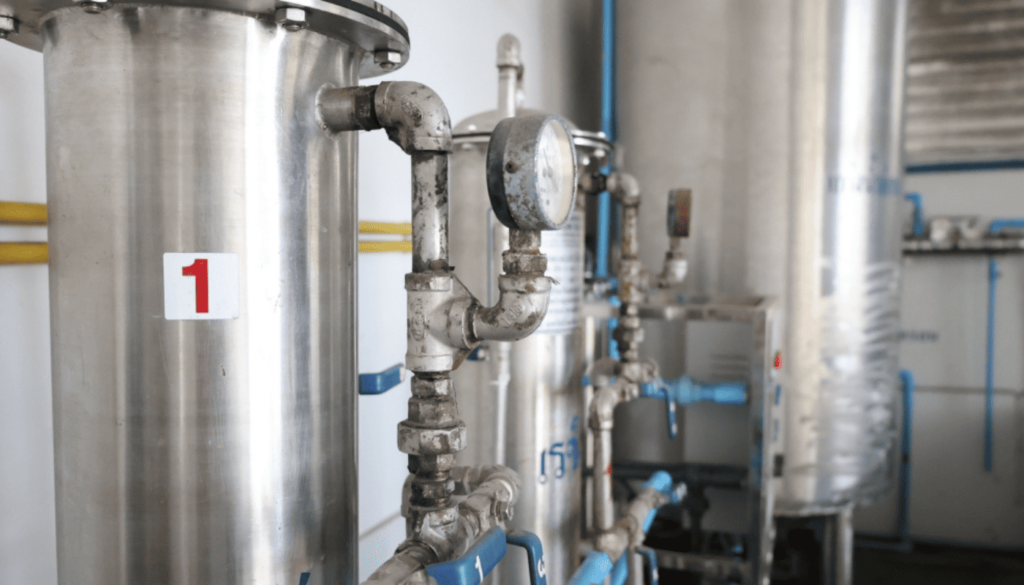
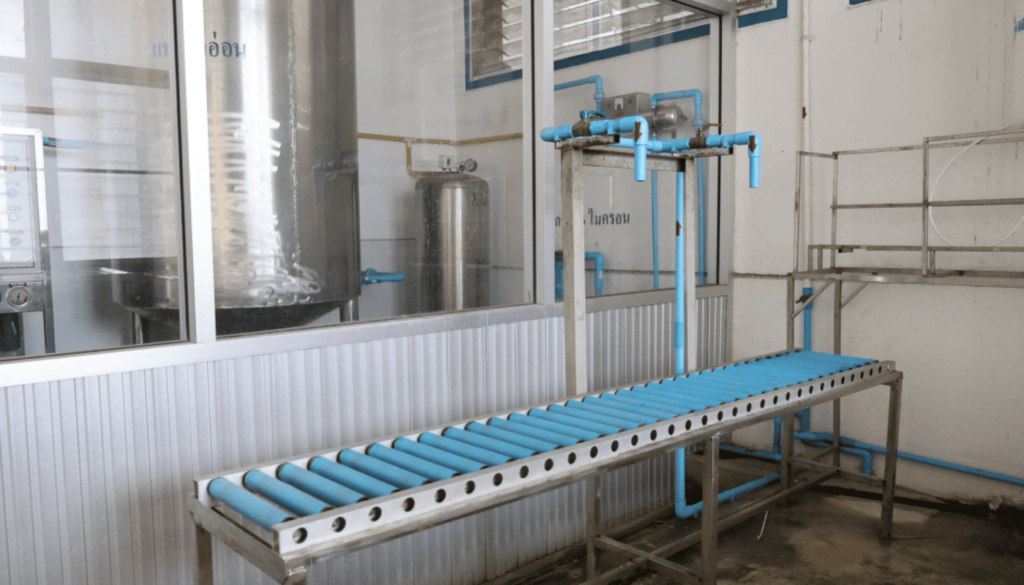
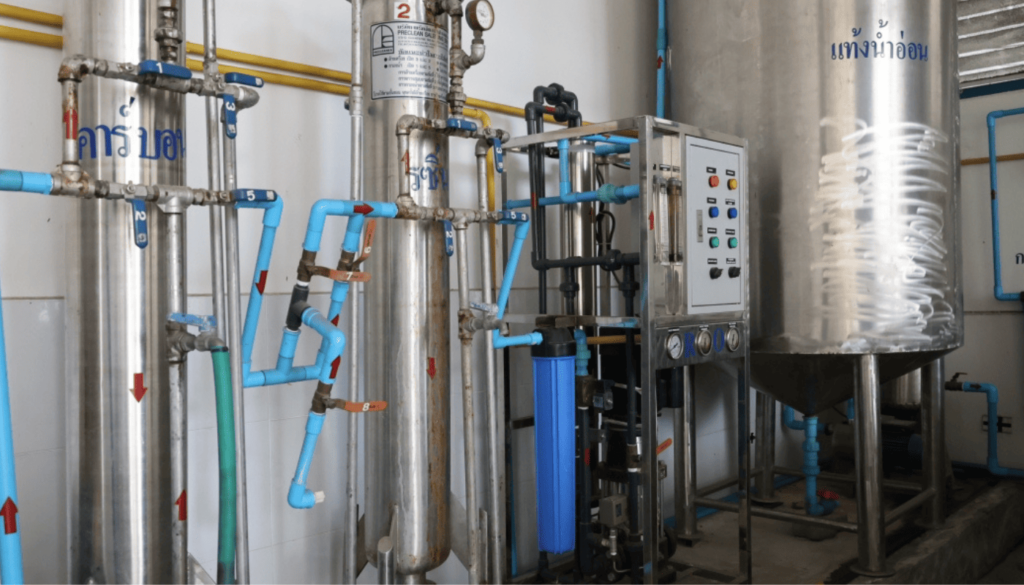
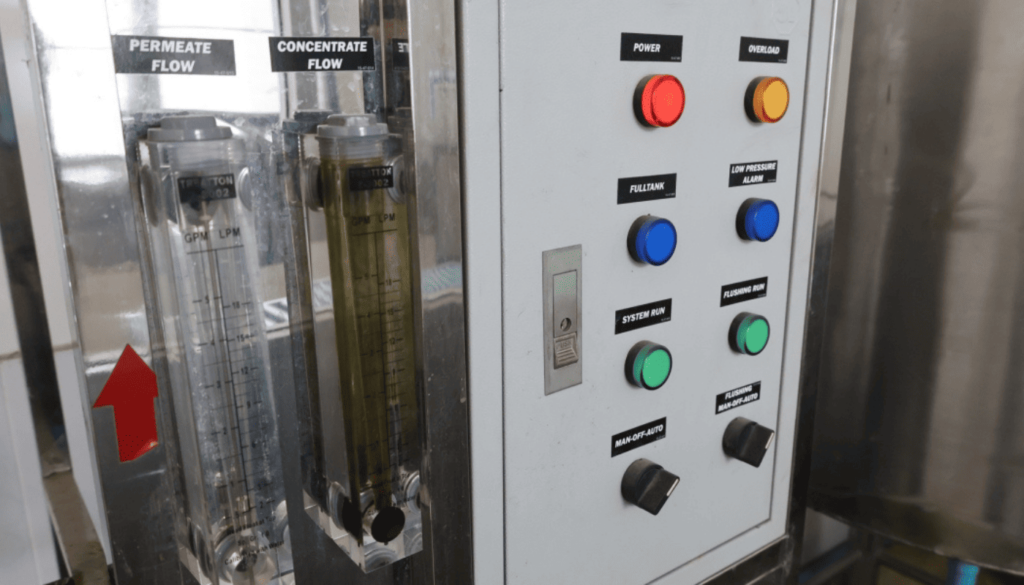
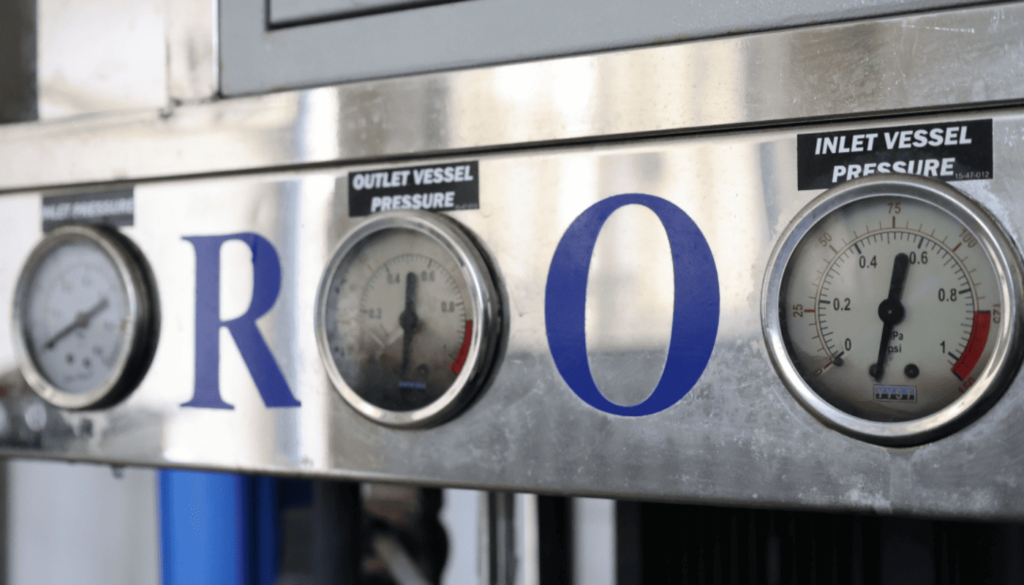
Innovative Technology Behind the Initiative The drinking water facility was developed under the leadership of Associate Professor Dr. Thongchai Sriviriyarat, a faculty member from the Environmental Engineering Program, Department of Chemical Engineering. Dr. Sriviriyarat’s expertise in water treatment systems has been instrumental in creating a sustainable water production plant that ensures high-quality drinking water while minimising environmental impact. The water production facility employs advanced filtration and purification technologies, ensuring that the water meets all safety and quality standards. By producing drinking water on campus, the initiative significantly reduces the need for single-use plastic bottles, thereby decreasing plastic waste generation and the carbon footprint associated with bottled water transportation.
Environmental and Social Impact The initiative delivers several key sustainability benefits to the faculty’s community of 2,000 students and 157 academic and support staff:
1. Reduction of Single-Use Plastics: By providing readily available drinking water, the faculty encourages using reusable bottles, significantly reducing plastic waste on campus. With a population of over 2,150 individuals, the potential reduction in plastic bottle usage is substantial.
2. Lower Carbon Footprint: On-site water production eliminates the emissions associated with the transportation and distribution of bottled water for this sizeable academic community.
3. Water Conservation: The system is designed for efficiency, minimising water wastage during the purification process while meeting the daily hydration needs of thousands of users.
4. Health Benefits: Consistent access to clean drinking water promotes hydration and well-being among students and staff, contributing to a healthier campus environment.
5. Educational Value: The visible presence of the water stations serves as a daily reminder of sustainable practices, reinforcing environmental awareness within the university community and potentially influencing the habits of thousands of future engineering professionals.
Project Leader: Asst. Prof. Ph.D. Thongchai Sriviriyarat, Faculty of Engineering