
Roadshow of the Intelligence Sharing Center
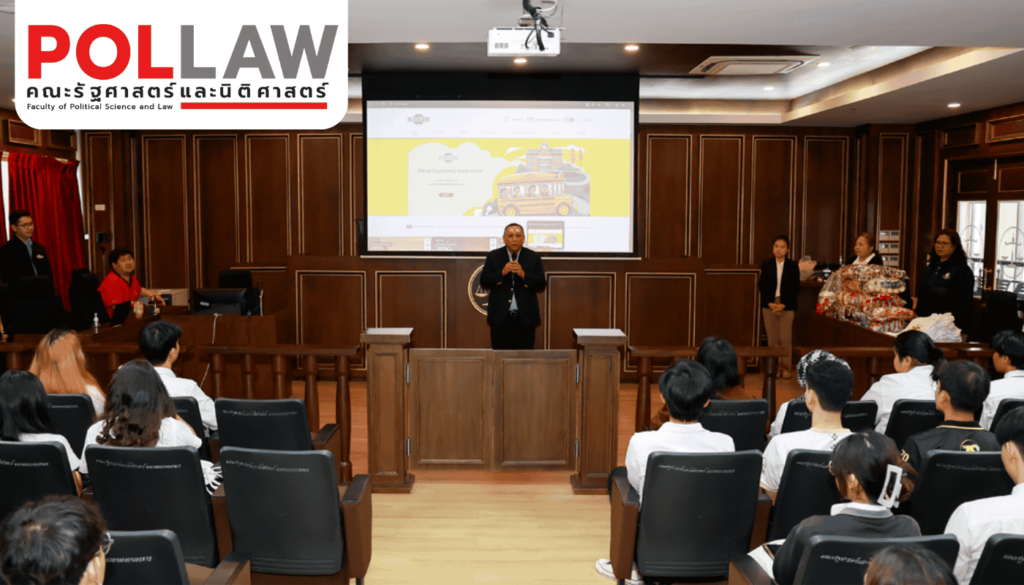
National security is a crucial factor in fostering sustainable development. One effective approach to strengthening state stability is through collaboration between academic institutions and security agencies. Such cooperation aims to promote transparency and deepen the public’s understanding of national security mechanisms, particularly in an era where intelligence and information play a pivotal role in shaping policy directions. Recognizing this necessity, the National Intelligence Agency (NIA) and the Faculty of Political Science and Law, Burapha University, have jointly initiated the “Intelligence Sharing Center” project. This initiative seeks to facilitate the exchange of intelligence knowledge among academics and university students through digital platforms, including the official website www.intsharing.co, Facebook Page: The Intelligence, and YouTube Channel: The Intelligence Sharing Channel.
As part of this collaboration, the National Intelligence Agency will host the “Roadshow of the Intelligence Sharing Center” at Room 401 (Moot Court, Faculty of Political Science and Law, Burapha University). This event will feature intelligence analysts who will share their expertise and experiences with students through lectures and interactive activities. The primary objective is to enhance students’ understanding of national security from the perspectives of intelligence professionals while fostering knowledge exchange in a structured academic setting.
This initiative aligns with the United Nations Sustainable Development Goal (SDG) 16: Peace, Justice, and Strong Institutions, which emphasizes the importance of transparency, justice, and effective institutional governance. The Intelligence Sharing Center project plays a crucial role in advancing these principles by promoting transparency in intelligence-related information and increasing public awareness of security mechanisms. Access to reliable and transparent intelligence contributes to strengthening the rule of law and fostering public trust in state institutions, which are core components of SDG 16.
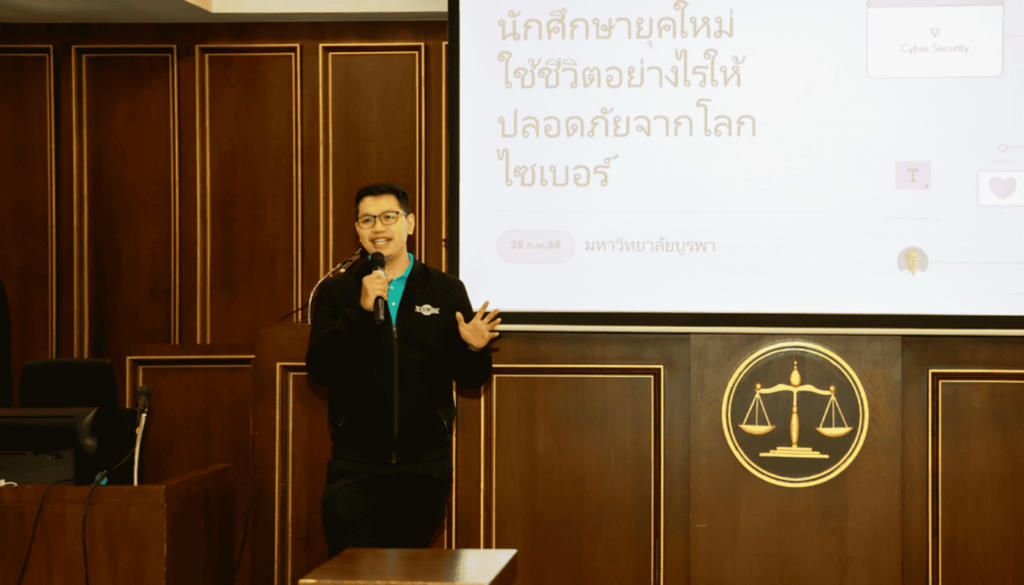
Moreover, modern security threats have become increasingly complex, including cyber threats, terrorism, and information warfare. This project aims to equip students, academics, and researchers with a better understanding of these challenges and their implications. By integrating intelligence education into academic discourse, participants will gain valuable insights that can be applied in political science and legal studies. Furthermore, this collaboration between Burapha University and the National Intelligence Agency serves as an academic network, facilitating the development of intelligence-related knowledge and contributing to national security enhancement.
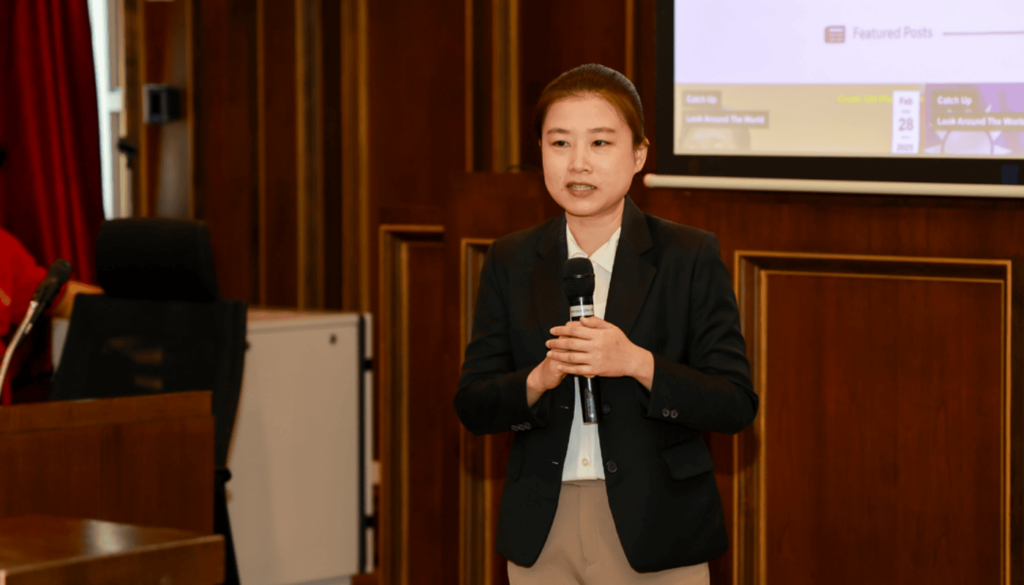
This event also provides students with an opportunity to develop critical skills in intelligence analysis, which are essential for careers in security-related fields. Additionally, it fosters discussions on how intelligence operations can align with democratic principles and human rights, ensuring a balance between national security and civil liberties. These discussions are integral to SDG 16, which aims to establish a society characterized by peace, justice, transparency, and accountable institutions.
In conclusion, the Intelligence Sharing Center project represents a significant step in strengthening collaboration between the National Intelligence Agency and Burapha University. Beyond expanding knowledge in the field of security studies, it also promotes transparency and trust between government agencies and the academic sector. This initiative is fully aligned with SDG 16: Peace, Justice, and Strong Institutions, contributing to the long-term goal of sustainable development through informed and responsible governance.
The Intelligence Sharing Center project aims to enhance cooperation between the National Intelligence Agency and Burapha University to promote knowledge and transparency in national security. This initiative seeks to provide students and academics with insights into intelligence operations, security challenges, and the role of intelligence in governance. By fostering a better understanding of intelligence mechanisms, the project encourages critical thinking, analytical skills, and informed discussions on security-related issues. Additionally, it aims to strengthen public trust in state institutions by promoting transparency and accessibility of intelligence knowledge. Through interactive sessions and expert-led discussions, students will gain practical knowledge that supports academic research, policy analysis, and future careers in security and governance. Ultimately, this project contributes to SDG 16: Peace, Justice, and Strong Institutions, ensuring that security policies are aligned with democratic values, human rights, and sustainable development.
The Intelligence Sharing Center project is implemented through a series of academic activities and interactive sessions designed to promote intelligence awareness and security knowledge. The project includes expert-led lectures, knowledge-sharing discussions, and hands-on intelligence analysis workshops.
The National Intelligence Agency provides intelligence analysts who engage with students and academics, offering insights into national security challenges and intelligence operations. The initiative utilizes digital platforms, such as www.intsharing.co, social media, and video content, to ensure wider accessibility. Additionally, on-site roadshow events at Burapha University, particularly in Room 401 (Moot Court, Faculty of Political Science and Law), allow for direct engagement and experience-based learning. By fostering academic collaboration, research opportunities, and policy discussions, the project strengthens transparency and public trust in intelligence institutions, contributing to SDG 16: Peace, Justice, and Strong Institutions.

The Intelligence Sharing Center project generates significant impacts by enhancing academic knowledge, security awareness, and institutional transparency. Students and academics gain a deeper understanding of intelligence operations and national security challenges, improving their critical thinking and analytical skills. The project fosters public trust in intelligence institutions by promoting transparency and accessibility to security-related knowledge. Through interactive learning and expert engagement, participants develop practical insights applicable to research, policy analysis, and security-related careers. Additionally, the initiative strengthens collaboration between academia and government agencies, creating opportunities for future research and policy discussions. The use of digital platforms extends the project’s reach beyond the university, making intelligence knowledge more accessible to the wider public. Ultimately, the project aligns with SDG 16: Peace, Justice, and Strong Institutions, contributing to the development of transparent governance and informed policymaking.
Project Leader: Dr.Phanorn Powcharoen, Faculty of Political Science and Law