Collaborative Public Forum on Civil Liberties and Consumer Protection: Voices from Citizens, Academia, and the Senate Committee
The Collaborative Public Forum on Civil Liberties and Consumer Protection: Voices from Citizens, Academia, and the Senate Committee was established to enhance participatory democracy by providing a platform for open dialogue among the public, academic institutions, and policymakers. Recognising the vital role of civic engagement in legislative reform, the forum aims to gather diverse perspectives on civil liberties and consumer protection laws. This initiative reflects the commitment to inclusive governance and legal development that genuinely responds to societal needs. It also aligns with SDG 16 (Peace, Justice, and Strong Institutions) and SDG 17 (Partnerships for the Goals) by fostering cooperation among government, academia, and civil society for sustainable and rights-based policymaking.
The objective of this project was showed as follow,
1. To provide a participatory platform for citizens, students, and academics to voice their concerns on civil liberties and consumer protection.
2. To collect practical recommendations for the improvement of related laws and public policies.
3. To promote public awareness and understanding of legal rights and consumer protections.
4. To foster collaboration between the Senate Committee, civil society, and educational institutions.
5. To encourage inclusive legislative processes aligned with democratic principles.
6. To support the development of laws that reflect real societal needs and uphold fundamental rights.
7. To contribute to the achievement of SDG 16 and SDG 17 through public participation and partnership.
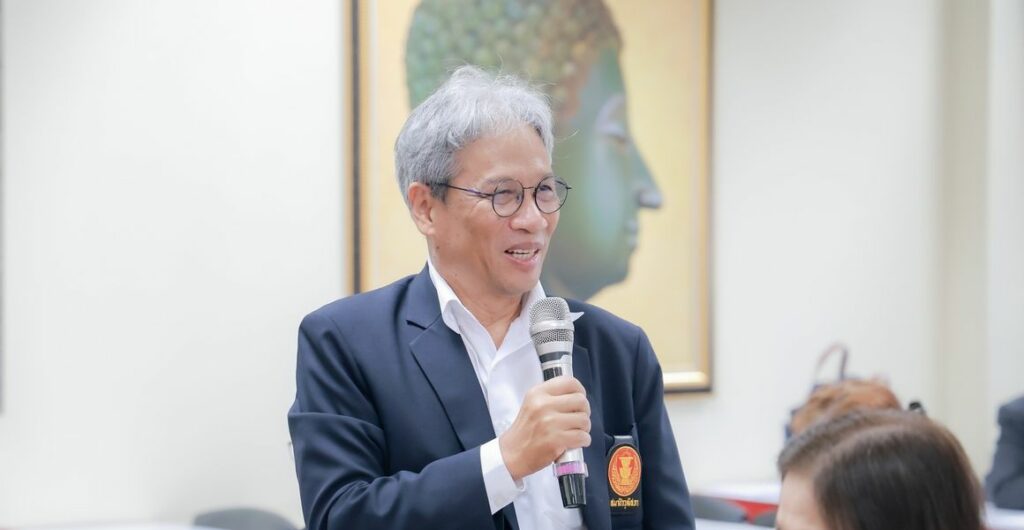
The “Collaborative Public Forum on Civil Liberties and Consumer Protection: Voices from Citizens, Academia, and the Senate Committee” was organised by the Faculty of Political Science and Law, Burapha University, in collaboration with the Senate Standing Committee on Urban Development, Public Participation, Human Rights, Liberties, and Consumer Protection. The primary objective was to create an inclusive space for dialogue and the exchange of ideas among citizens, academics, students, and policymakers.
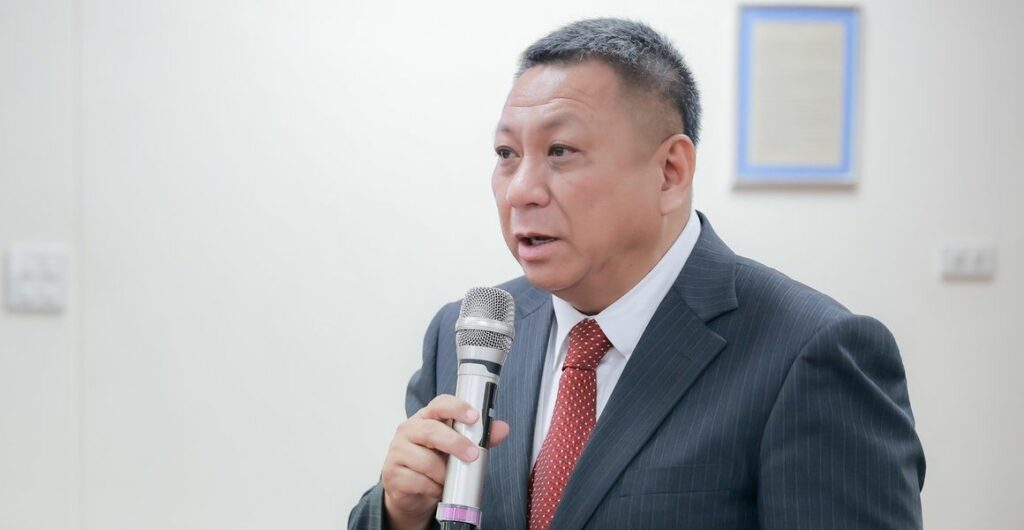
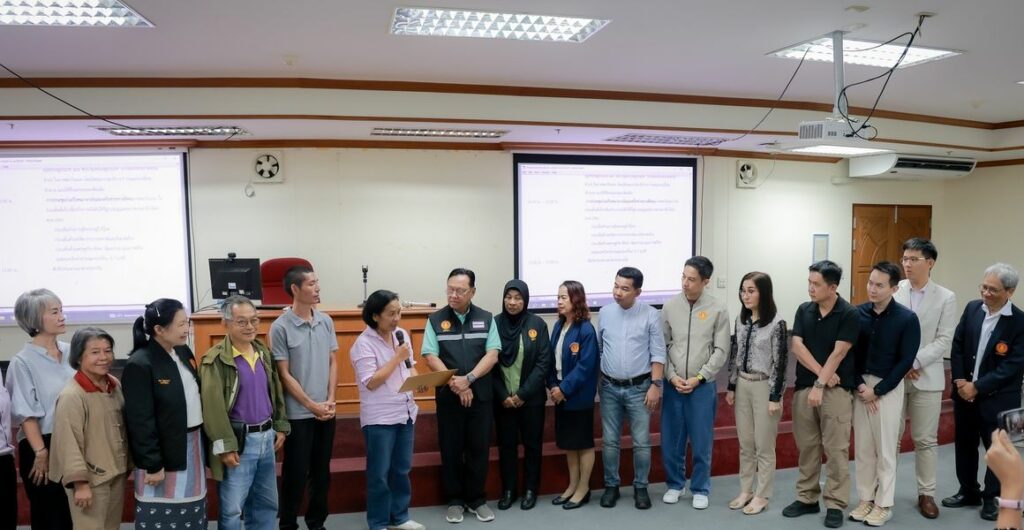
The forum was held on May 9, 2025, at Room 603, Faculty of Political Science and Law Building 2, Burapha University. The assistant opened the event. Prof. Wisian Tansirikongkhon, Dean of the Faculty, welcomed over 100 participants from various sectors, including civil society, academia, and youth representatives.
Key activities included:
1. An introductory session presenting the roles and responsibilities of the Senate Committee on legal reform, specifically in the areas of civil liberties and consumer protection.
2. A panel discussion titled “The Role of Citizens in Shaping Legal Frameworks and Consumer Protection Policies” provided a platform for open and constructive dialogue among participants.
3. Collection and synthesis of public input and suggestions to inform the development of future legislation and constitutional amendments.
4. Compilation of findings and preparation of a formal report to be submitted to the Senate Committee and shared with relevant stakeholders. Throughout the event, organisers ensured an inclusive, participatory, and well-facilitated process. Participants were encouraged to voice their concerns and propose recommendations in an environment that respected diverse perspectives and upheld democratic values. This project not only promoted civic engagement in legal and policy development but also served as a model of collaboration between government institutions, academia, and civil society. It exemplifies practical alignment with Sustainable Development Goals (SDGs)—particularly SDG 16 (Peace, Justice and Strong Institutions) and SDG 17 (Partnerships for the Goals)—through meaningful participation and partnership-driven governance.
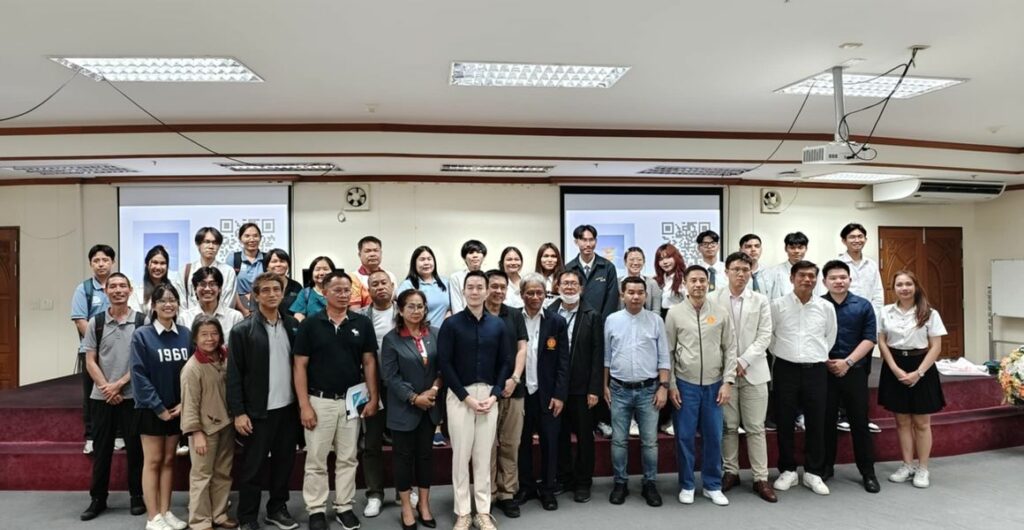
The project had a significant impact by fostering greater awareness and understanding of civil liberties and consumer protection among citizens, students, and academics. It empowered participants to actively engage in legislative discussions, thereby promoting democratic values and inclusive governance. The forum successfully gathered practical recommendations that can inform future legal reforms and constitutional amendments. It also strengthened collaboration between the Senate Committee, academic institutions, and civil society, laying the groundwork for sustainable civic engagement. Moreover, the initiative contributed directly to the advancement of SDG 16 by enhancing access to justice and participatory decision-making, while reinforcing SDG 17 through effective multi-stakeholder partnerships.
Project Leader: Assoc. Prof. Ph.D. Olarn Thinbangtieo, Faculty of Political Science and Law